

In today’s competitive business landscape, having the right equipment can make the difference between success and struggle. For Australian businesses that rely on transportation and hauling, a one-size-fits-all approach to trailers simply doesn’t cut it. Custom trailers offer the perfect solution, allowing businesses to create purpose-built hauling solutions that match their exact operational requirements.
Titanium Trailers understands that every business has unique needs, which is why we specialize in creating custom trailer solutions that deliver exceptional value, durability, and functionality. With showrooms in Townsville, Rockhampton, Brisbane, and Cairns, and flexible finance options available, getting your perfect custom trailer has never been more accessible.
This comprehensive guide will walk you through everything you need to know about custom trailers for business applications. You’ll discover how to assess your specific hauling needs, understand the various customization options available, learn about the design and ordering process, and explore the long-term benefits of investing in a tailored trailer solution.
We’ll cover the key considerations for different business types, from tradesman operations to agricultural enterprises, and provide practical insights into maximizing your investment through smart customization choices.
• Custom trailers provide superior functionality and efficiency compared to standard models
• Proper needs assessment is crucial for designing the optimal trailer solution
• Multiple customization options are available, from dimensions to specialized attachments
• Professional design consultation ensures your trailer meets all regulatory requirements
• Custom builds can significantly improve productivity and reduce operational costs
• Quality materials and construction provide better long-term value than cheaper alternatives
• Flexible financing makes custom trailers accessible for businesses of all sizes
Custom trailers transform how businesses operate by eliminating the compromises inherent in standard trailer designs. When your trailer is built specifically for your needs, every feature serves a purpose, reducing loading and unloading time while maximizing cargo security and organization.
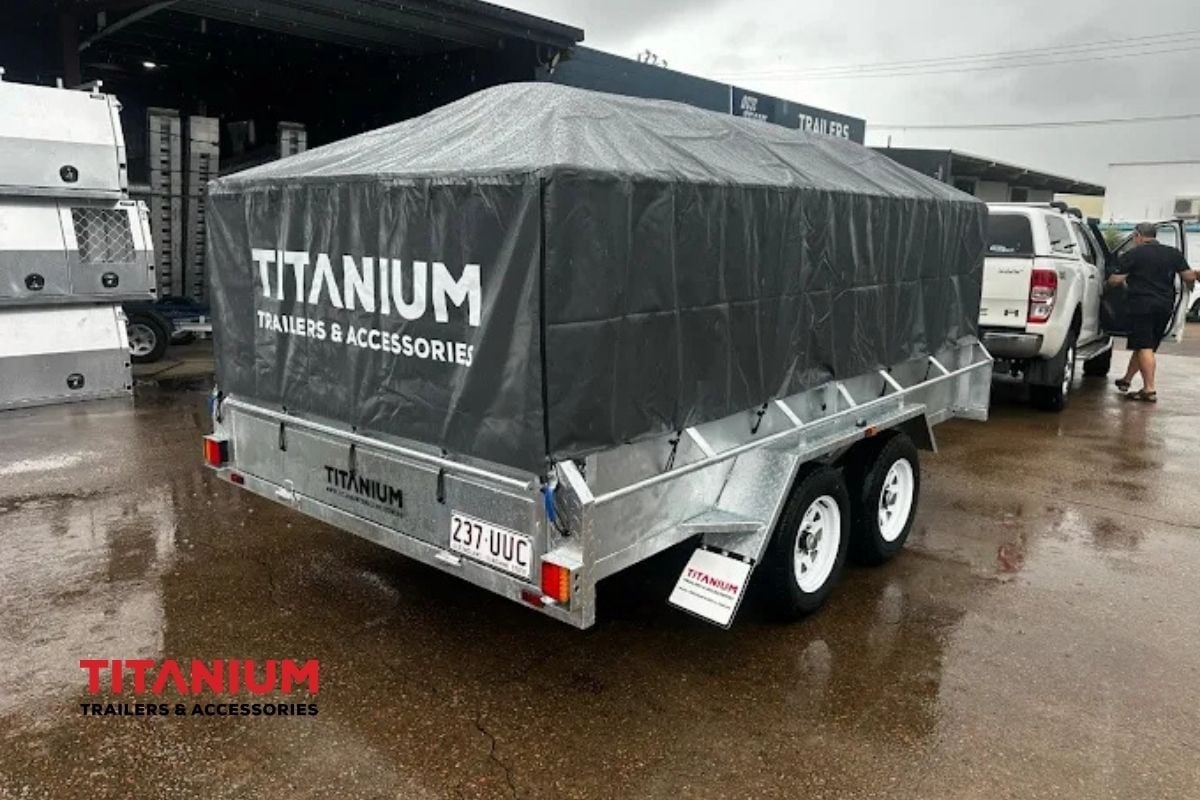
Businesses report significant time savings when switching from standard to custom trailers, with many seeing 20-30% improvements in daily productivity. This efficiency gain comes from optimized dimensions, strategic placement of access points, and purpose-built storage solutions that streamline workflow.
The ability to customize your trailer means you’re no longer working around equipment limitations. Instead, your trailer becomes an extension of your business operations, designed to support and enhance your daily tasks.
While custom trailers require a higher initial investment than standard options, they typically deliver superior long-term value through reduced maintenance costs, improved durability, and enhanced functionality. Quality custom builds using premium materials last significantly longer than budget alternatives.
The precision engineering involved in custom trailer construction means better weight distribution, reduced wear on components, and fewer repair requirements over the trailer’s lifetime. Many businesses find that their custom trailer pays for itself within 2-3 years through improved efficiency and reduced downtime.
Additionally, custom trailers retain their value better than standard models, providing stronger resale potential should your business needs change. The quality construction and specialized features often make custom trailers more attractive to subsequent buyers.
Different industries have vastly different hauling requirements, and custom trailers excel at addressing these specialized needs. Construction companies benefit from custom tradesman trailers with integrated tool storage and work surfaces, while agricultural businesses need specialized livestock or equipment hauling capabilities.
Service industries often require trailers with specific access configurations, climate control features, or specialized mounting systems for equipment. Custom builds ensure that every aspect of the trailer supports the business’s primary functions rather than forcing adaptation to standard designs.
The ability to incorporate industry-specific features during the design phase is far more cost-effective than attempting modifications after purchase. Custom trailers eliminate the need for expensive aftermarket additions and ensure optimal integration of all components.
The first step in creating an effective custom trailer is conducting a thorough analysis of your current operations. Document what you’re currently hauling, how frequently you transport different types of cargo, and what challenges you face with existing equipment.
Consider your typical load weights, dimensions, and special handling requirements. Note any seasonal variations in your hauling needs and identify peak usage periods that might require enhanced capacity or specialized features.
Review your current loading and unloading processes to identify inefficiencies or safety concerns. Many businesses discover opportunities for significant improvements when they systematically examine their current practices and equipment limitations.
Effective custom trailer design considers not just current needs but anticipated future requirements. Analyze your business growth projections and consider how your hauling needs might evolve over the next 5-10 years.
Think about potential service expansions, new product lines, or equipment additions that could impact your trailer requirements. Building some flexibility into your custom design can prevent the need for premature replacement as your business grows.
Consider seasonal fluctuations and whether your trailer needs to handle peak capacity situations. Designing for maximum anticipated load rather than average use ensures your trailer won’t become a bottleneck during busy periods.
Australian transport regulations impose specific requirements on commercial trailers, and custom builds must comply with all relevant standards. Understanding these requirements early in the design process prevents costly modifications later.
Weight distribution, braking systems, lighting, and safety equipment all have regulatory specifications that must be incorporated into custom designs. Professional trailer manufacturers like Titanium Trailers ensure all builds meet or exceed these requirements.
Consider industry-specific safety standards that might apply to your operations. Some industries have additional requirements for securing loads, accessing cargo, or preventing contamination that must be built into the trailer design.
One of the most significant advantages of custom trailers is the ability to specify exact dimensions that match your cargo and operational requirements. Length, width, and height can all be optimized to maximize efficiency while maintaining road-legal specifications.
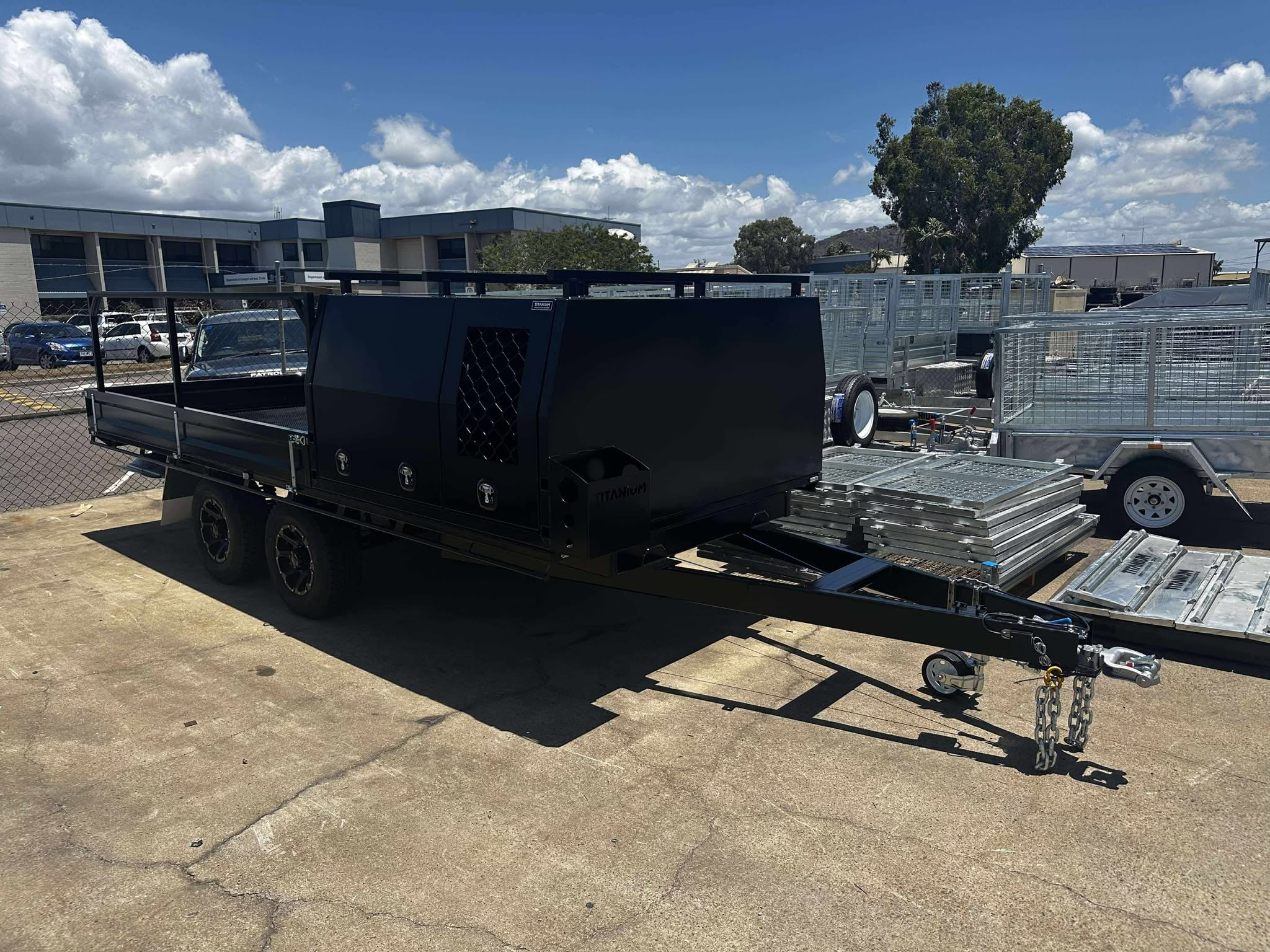
Consider how dimension choices affect loading capacity, maneuverability, and storage requirements. Longer trailers offer more cargo space but may be more challenging to maneuver in tight spaces, while wider designs provide better stability for certain load types.
Height considerations are particularly important for businesses that operate in areas with overhead restrictions or need to stack cargo efficiently. Custom height specifications can maximize cubic capacity while ensuring clearance compatibility with your operating environment.
Custom trailers can incorporate specialized attachment points, mounting systems, and securing mechanisms designed specifically for your cargo types. These might include custom tie-down points, specialized racks, or integrated equipment mounts.
Consider how your cargo needs to be secured during transport and design attachment systems that make this process efficient and secure. Purpose-built securing systems often provide better load protection than generic alternatives.
Think about equipment integration opportunities where trailer-mounted tools or systems could enhance your operational efficiency. Many businesses benefit from integrated generators, compressors, or specialized handling equipment.
Custom trailers can incorporate various access solutions to optimize loading and unloading efficiency. Options include rear ramps, side access doors, removable panels, or specialized lifting mechanisms.
Consider the types of equipment used for loading and how trailer design can accommodate these tools. Some businesses benefit from integrated winch systems, while others need specific ramp angles or door configurations.
Think about worker safety and ergonomics when specifying access features. Custom designs can incorporate features that reduce lifting requirements, improve footing, or provide better visibility during loading operations.
Integrated storage solutions can transform trailer functionality by providing organized space for tools, equipment, and supplies. Custom toolboxes and storage compartments can be designed to match your specific inventory and workflow requirements.
Consider what items you regularly transport alongside your main cargo and design storage solutions that keep everything organized and accessible. This might include dedicated spaces for safety equipment, spare parts, or specialized tools.
Think about security requirements for stored items and incorporate appropriate locking mechanisms and access controls. Custom storage solutions can provide better security than aftermarket additions while maintaining clean, professional appearance.
The choice between aluminum and steel construction significantly impacts trailer performance, longevity, and maintenance requirements. Each material offers distinct advantages depending on your specific applications and operating environment.
Aluminum construction provides excellent corrosion resistance, lighter weight, and reduced fuel consumption during transport. These benefits are particularly valuable for businesses operating in coastal areas or those prioritizing fuel efficiency.
Steel construction offers superior strength and durability for heavy-duty applications, often at a lower initial cost. Steel trailers excel in demanding industrial environments where impact resistance and maximum load capacity are priorities.
Custom trailer quality depends heavily on the components and hardware used throughout the construction. Premium bearings, braking systems, and suspension components provide better reliability and longer service life.
Consider the operating environment when selecting components, as harsh conditions may require specialized materials or protective coatings. Marine environments, for example, benefit from stainless steel hardware and enhanced corrosion protection.
Invest in quality electrical systems and lighting components, as these are critical for safety and regulatory compliance. Premium wiring and connections reduce maintenance requirements and improve long-term reliability.
Custom trailers can incorporate various protective coatings and finishes designed to withstand specific operating conditions. These treatments significantly extend trailer life and maintain professional appearance over time.
Powder coating provides excellent durability and color retention compared to standard paint finishes. This investment pays dividends through reduced maintenance and better long-term appearance retention.
Consider specialized coatings for specific applications, such as chemical-resistant finishes for industrial use or enhanced UV protection for outdoor storage. Custom finishes can also incorporate business branding and identification elements.
The custom trailer design process begins with a comprehensive consultation where experienced professionals assess your specific requirements and operational challenges. This collaborative approach ensures the final design addresses all your business needs.
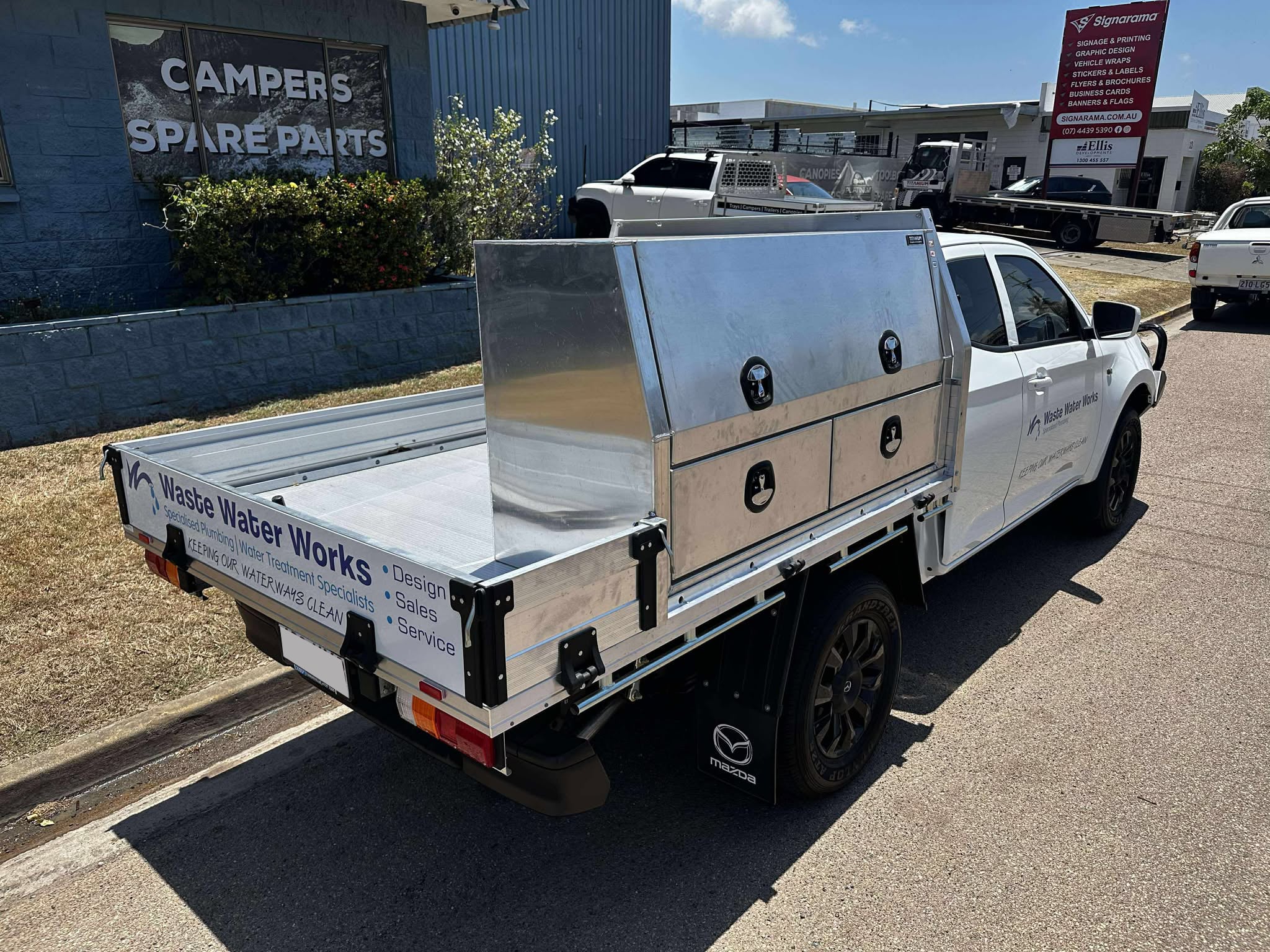
During consultation, bring detailed information about your cargo types, operating environment, and any special requirements or challenges you face with current equipment. The more information provided, the better the final design will serve your needs.
Professional designers can often identify opportunities and solutions that customers haven’t considered, drawing on extensive experience with similar applications. This expertise helps optimize the design for maximum efficiency and value.
Once requirements are established, the design development process creates detailed specifications and drawings for your custom trailer. This phase allows for refinement and adjustment before construction begins.
Review design proposals carefully and ask questions about any aspects that aren’t clear. This is the time to suggest modifications or additional features that might enhance the trailer’s functionality for your applications.
Consider involving key team members who will use the trailer in design review processes. Their practical insights can identify potential improvements or concerns that might not be obvious to management.
Custom trailer projects require appropriate planning to ensure completion aligns with your business needs. Discuss timeline expectations upfront and plan for any seasonal considerations that might affect your operations.
Complex custom builds typically require several weeks for completion, depending on the extent of customization and current production schedules. Planning ahead ensures your new trailer is ready when you need it most.
Stay engaged throughout the construction process and maintain communication with your project team. Regular updates help ensure the project stays on track and any questions or concerns are addressed promptly.
Custom trailers typically deliver immediate productivity improvements through optimized design and enhanced functionality. Document baseline performance metrics before implementing your new trailer to measure improvement accurately.
Many businesses see reduced loading times, improved cargo security, and enhanced driver satisfaction with custom equipment. These improvements often translate directly into increased daily capacity and revenue potential.
Consider how custom features enable new service offerings or operational capabilities that weren’t possible with standard equipment. These expanded capabilities can open new revenue streams and business opportunities.
Quality custom trailers often require less maintenance than standard alternatives due to superior construction and materials. This reduction in maintenance costs contributes significantly to the trailer’s return on investment over time.
Keep detailed maintenance records to track actual costs and compare with previous equipment. Many businesses find that custom trailers require 30-50% less maintenance than standard options over similar usage periods.
Consider implementing preventive maintenance programs to maximize the benefits of quality construction. Regular maintenance helps ensure your custom trailer continues delivering optimal performance throughout its service life.
Custom trailers provide operational flexibility that can be valuable as business needs evolve or market conditions change. This adaptability helps protect your investment against changing requirements.
Consider how your custom trailer might serve multiple purposes or accommodate different types of cargo as needed. This flexibility can eliminate the need for multiple specialized trailers in some applications.
Document how custom features contribute to operational flexibility and consider these benefits when evaluating the trailer’s total value to your business.
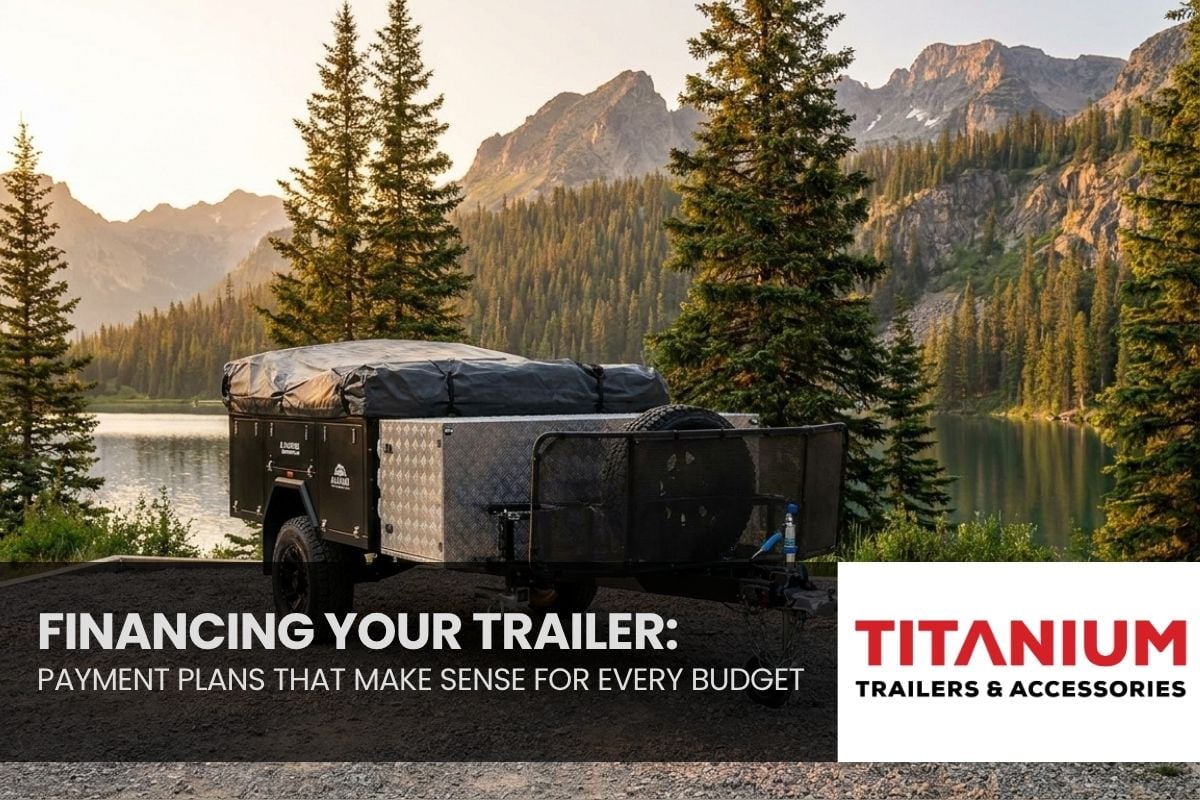
Flexible financing options make custom trailers accessible for businesses of all sizes. Various payment plans and terms are available to match different cash flow situations and business requirements.
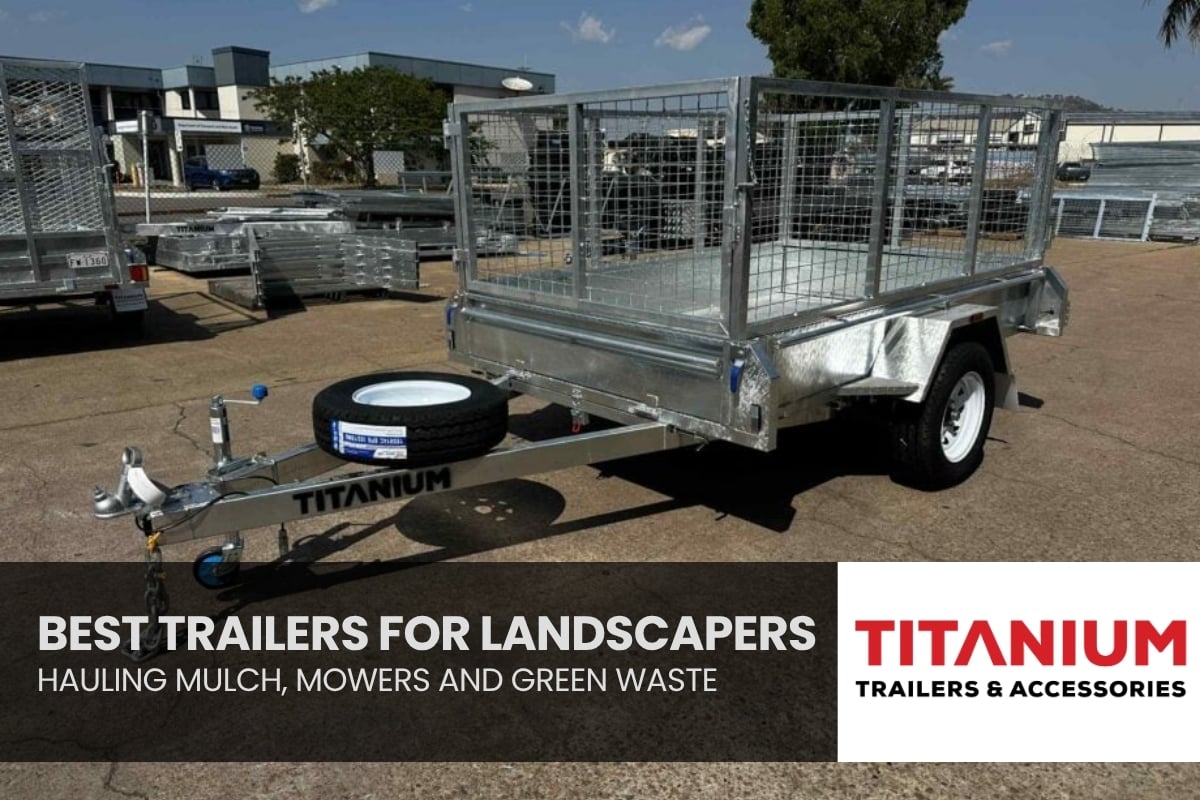
Quick answer: The best trailer for landscaping depends on your main load. A tipper trailer is the top all-round choice for bulk mulch, soil, sand,
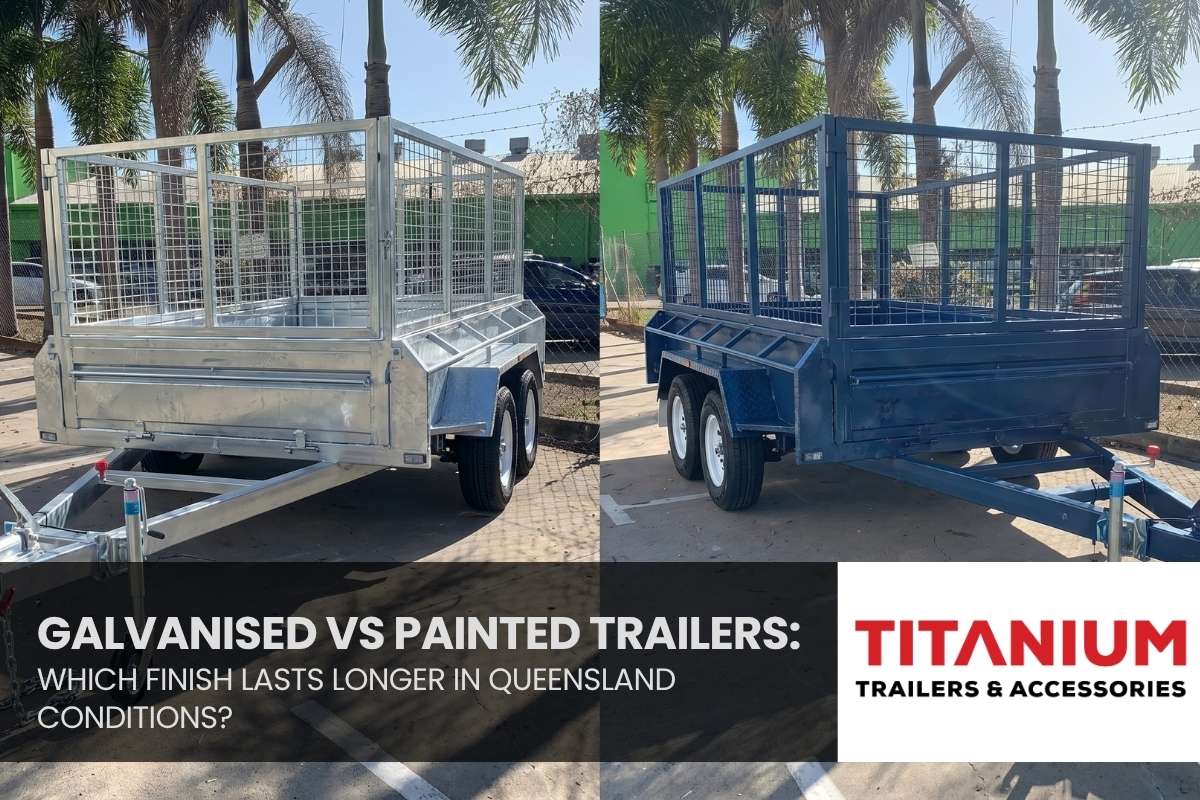
In Queensland conditions, a hot-dip galvanised trailer lasts significantly longer than a painted one. Galvanising bonds a sacrificial zinc layer to the steel that keeps