
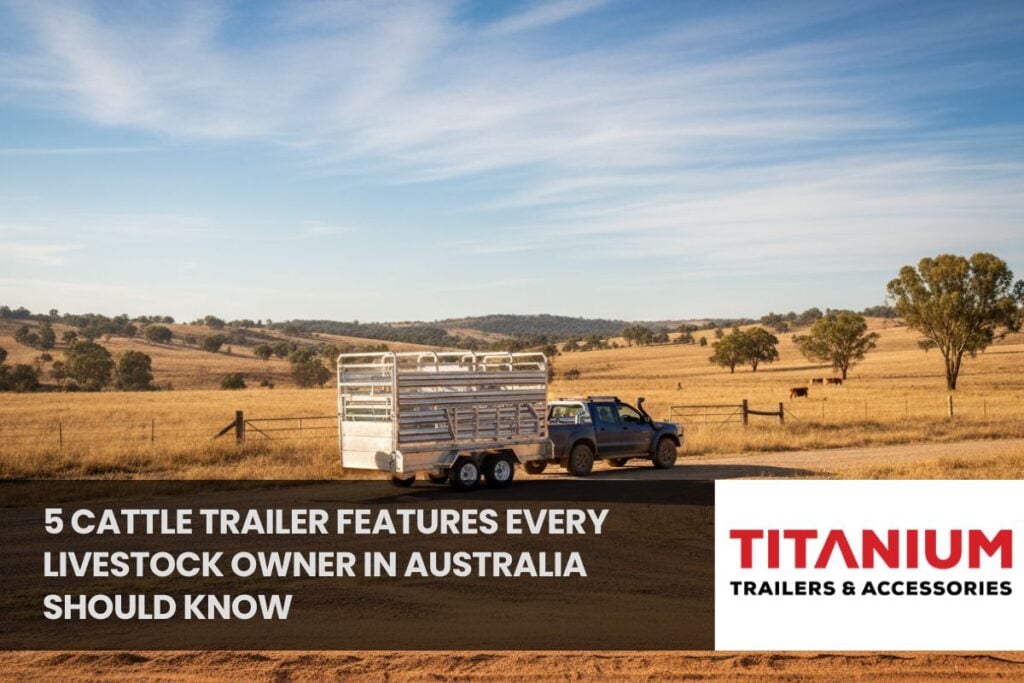
Transporting cattle safely and efficiently across Australia’s diverse terrain demands more than just any trailer—it requires purpose-built equipment designed specifically for livestock welfare and Australian conditions. Whether you’re managing a small hobby farm or operating a large commercial cattle station, understanding the essential features of quality cattle trailers can make the difference between stress-free transport and costly complications. From the red dirt roads of the Outback to coastal pastures, livestock owners across Australia face unique challenges that demand specialized trailer solutions.
Titanium Trailers has been helping Queensland livestock producers and farmers nationwide with robust, well-designed cattle trailers that prioritize both animal safety and operational efficiency. Our custom trailer capabilities ensure that every livestock transport solution meets specific operational requirements. Our comprehensive understanding of Australian farming conditions and livestock transport regulations ensures that every trailer we manufacture meets the demanding standards required for safe cattle transport. This guide examines the five critical features that every cattle trailer must have to ensure safe, compliant, and efficient livestock transport across Australia’s challenging environments.
This comprehensive guide covers the essential features that distinguish professional-grade cattle trailers from standard transport solutions. You’ll learn about critical safety systems, regulatory compliance requirements, and practical design elements that protect both your livestock and your investment. We’ll explore advanced ventilation systems, specialized flooring materials, secure gating mechanisms, appropriate sizing considerations, and essential safety features that experienced livestock operators consider non-negotiable.
Each section provides practical insights into how these features perform under Australian conditions, from extreme heat in the northern territories to muddy conditions in tropical Queensland. Whether you’re purchasing your first cattle trailer or upgrading existing equipment, this guide will help you make informed decisions that protect your animals while maximizing operational efficiency.
Effective ventilation stands as the most critical feature in any cattle trailer designed for Australian conditions. The continent’s extreme temperatures and long transport distances create unique challenges for maintaining optimal air quality and temperature control during livestock transport. Professional-grade cattle trailers incorporate sophisticated ventilation systems that go far beyond simple air holes or basic vents.
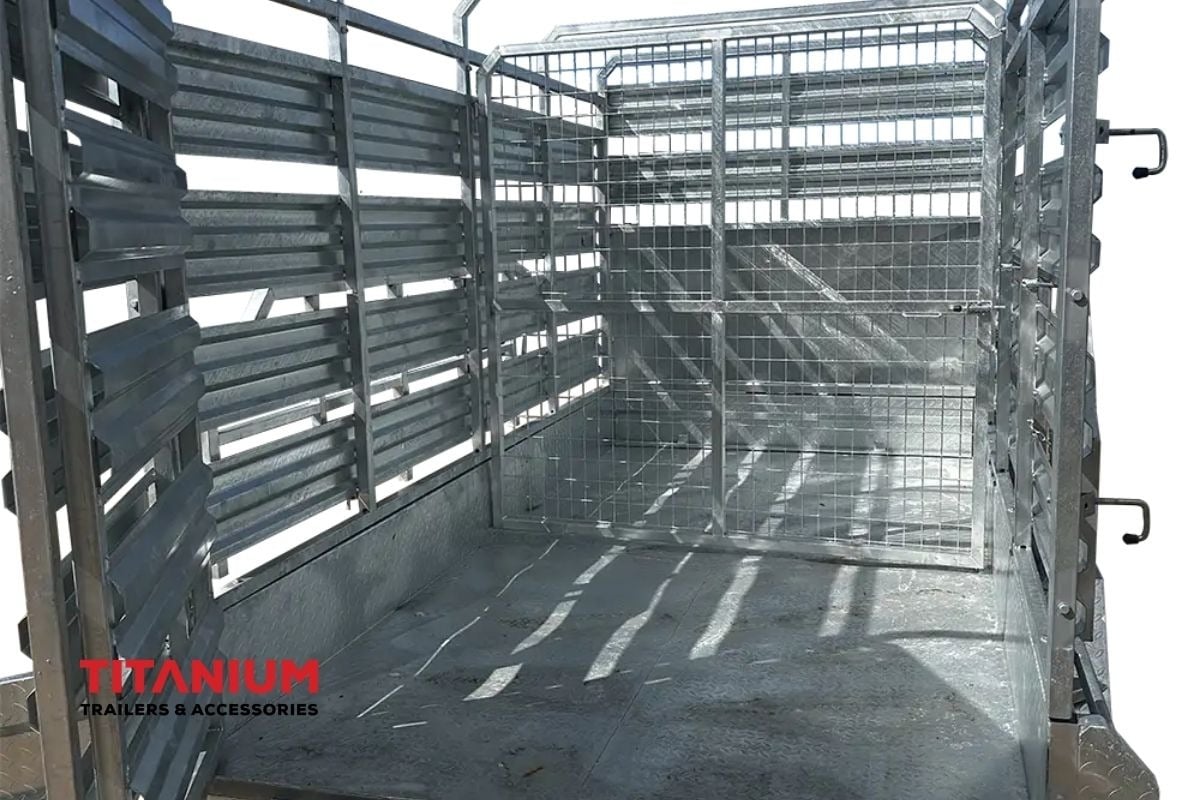
Modern cattle trailers feature strategically positioned ventilation panels that create proper airflow patterns throughout the entire trailer compartment. These systems typically include adjustable louvers or vents positioned at different heights to establish effective air circulation that removes moisture, heat, and harmful gases while providing fresh air to all animals. The positioning prevents direct wind exposure that could cause stress while ensuring adequate air exchange rates required by Australian livestock transport standards.
Temperature regulation becomes particularly crucial during summer transport when interior temperatures can quickly become dangerous for cattle. Quality ventilation systems include features like roof vents that allow hot air to escape naturally while side vents provide fresh air intake at animal level. Some advanced designs incorporate wind-powered ventilation systems that increase airflow during highway transport, providing enhanced cooling when it’s most needed.
Practical Ventilation Considerations:
The investment in superior ventilation pays dividends in reduced animal stress, improved transport outcomes, and compliance with animal welfare regulations. For optimal performance, regular trailer maintenance ensures ventilation systems continue operating effectively throughout the trailer’s service life. Titanium Trailers’ cattle trailer designs incorporate proven ventilation principles developed specifically for Australian livestock transport conditions, ensuring your animals arrive safely and in good condition regardless of weather or distance.
Professional livestock transporters understand that inadequate ventilation can result in serious consequences including heat stress, respiratory issues, and even animal mortality. The Australian livestock transport standards specifically address ventilation requirements, making proper airflow systems not just a best practice but a legal requirement for commercial operations.
The flooring system in a cattle trailer directly impacts animal safety, comfort, and confidence during both loading and transport. Australian livestock transport involves diverse conditions from wet coastal areas to dusty inland regions, demanding flooring materials that maintain grip and stability across all environments. Professional cattle trailers utilize specialized non-slip surfaces designed specifically for hooved animals and livestock transport applications.
Aluminum checker plate flooring has become the gold standard for livestock trailers due to its combination of durability, weight efficiency, and superior traction properties. The raised diamond pattern provides excellent grip for cattle hooves while allowing drainage of moisture and waste materials. This flooring material resists corrosion from cleaning chemicals and animal waste, ensuring long-term performance even under intensive use conditions.
Rubber matting systems offer additional traction and comfort benefits, particularly for valuable breeding stock or animals requiring extra care during transport. These systems can be installed over aluminum flooring to provide enhanced cushioning and grip, reducing the risk of slips and falls during loading, unloading, or transport. Quality rubber mats feature drainage channels and antimicrobial properties to maintain hygiene standards.
Essential Flooring Features:
The flooring system must also accommodate the significant weight distribution changes that occur as cattle move within the trailer during transport. Professional-grade flooring includes reinforcement structures beneath the surface material to prevent flexing or damage under livestock loads. This structural integrity ensures consistent traction and prevents the development of weak spots that could lead to animal injuries.
Titanium Trailers’ box trailer construction principles apply advanced flooring technologies that have been proven effective for livestock applications. Our understanding of Australian transport conditions ensures that flooring systems perform reliably across the diverse environments encountered during cattle transport operations.
Regular maintenance of trailer flooring contributes significantly to animal safety and transport efficiency. Quality flooring materials should be inspected regularly for wear, damage, or contamination that could compromise traction or animal health. Proper cleaning protocols help maintain the non-slip properties while preventing the buildup of bacteria or odors that could affect animal welfare.
Effective gate systems represent the critical interface between human handlers and livestock during loading, transport, and unloading operations. Professional cattle trailers incorporate multiple security and safety features designed to protect both animals and handlers while ensuring efficient livestock management. Australian livestock transport regulations specifically address gate requirements, making proper gating systems essential for legal compliance and operational safety.

Modern cattle trailer gates utilize heavy-duty hinges and latching mechanisms designed to withstand the substantial forces generated by moving cattle. These systems must operate smoothly under all conditions while providing positive security that prevents accidental opening during transport. Professional-grade gates feature multiple locking points and fail-safe mechanisms that maintain security even if primary latches experience problems. Understanding how to properly secure your trailer is essential for livestock transport safety.
Gate positioning and swing direction significantly impact loading efficiency and animal flow patterns. Experienced livestock handlers prefer gates that open outward to avoid blocking escape routes for handlers and provide clear sight lines during animal movement. Side gates at strategic positions allow for flexible loading configurations and provide alternative access points for animal management during transport.
Critical Gate System Features:
Safety considerations extend beyond basic security to include features that protect handlers during animal management activities. Professional gate systems include design elements that prevent fingers or clothing from being caught in latching mechanisms while providing positive tactile feedback when gates are properly secured. Some advanced systems incorporate visual indicators that confirm proper gate closure from a distance.
The Titanium Trailers approach to cattle trailer design emphasizes robust gate systems that perform reliably under intensive use conditions. Our manufacturing processes ensure that gate components meet the demanding standards required for Australian livestock transport applications, providing the durability and security that professional operators demand.
Gate maintenance requirements should factor into purchasing decisions, as complex mechanisms may require regular adjustment or replacement under normal use conditions. Quality gate systems use standard hardware components that can be easily sourced and replaced by local suppliers, minimizing downtime and maintenance costs for busy livestock operations.
Proper trailer sizing involves complex considerations that balance animal welfare requirements, transport efficiency, and regulatory compliance under Australian Design Rules and livestock transport standards. Overcrowding reduces animal welfare and can result in serious legal and financial consequences, while undersized loads increase per-animal transport costs and reduce operational efficiency. Professional livestock operators carefully calculate optimal loading densities based on animal size, transport duration, and environmental conditions. Understanding how to choose the best trailer for heavy loads helps ensure safe and compliant livestock transport.
Australian livestock transport regulations specify minimum space requirements per animal based on weight categories and transport duration. These standards recognize that longer journeys require additional space allowances to maintain animal welfare and prevent stress-related problems. Professional cattle trailers incorporate flexible divider systems that allow operators to adjust compartment sizes based on specific load requirements and regulatory compliance needs.
Weight distribution significantly impacts trailer stability, tire wear, and overall transport safety. Cattle naturally tend to cluster during transport, potentially creating unbalanced loading conditions that affect vehicle handling and braking performance. Quality trailer designs include features that encourage even weight distribution and prevent dangerous load concentrations that could compromise transport safety.
Sizing and Distribution Considerations:
Load distribution planning must also account for dynamic forces encountered during normal transport operations. Cattle movement during acceleration, braking, and cornering creates shifting weight loads that can affect vehicle stability and trailer component stress. Professional trailer designs incorporate reinforcement and bracing systems that accommodate these dynamic loads while maintaining structural integrity.
The Titanium Trailers manufacturing expertise includes detailed understanding of Australian livestock transport requirements and optimal sizing principles. Our custom trailer design capabilities allow for specific size and weight distribution configurations that meet unique operational requirements while maintaining compliance with all applicable regulations.
Operational efficiency benefits from careful sizing decisions that optimize truck and trailer combinations for specific route requirements. Some operations benefit from multiple smaller trailers that provide loading flexibility, while others achieve better efficiency with larger single units. Our guide on maximizing your hauling capacity provides expert tips for optimizing livestock transport efficiency. Professional consultation helps determine optimal sizing strategies based on specific operational parameters and regulatory requirements.
Comprehensive safety systems in cattle trailers protect livestock, handlers, and other road users while ensuring compliance with Australian Vehicle Standards and livestock transport regulations. These systems extend beyond basic legal requirements to include advanced features that enhance safety margins and provide protection during emergency situations. Professional-grade cattle trailers incorporate multiple layers of safety protection designed to prevent accidents and minimize consequences when problems occur.
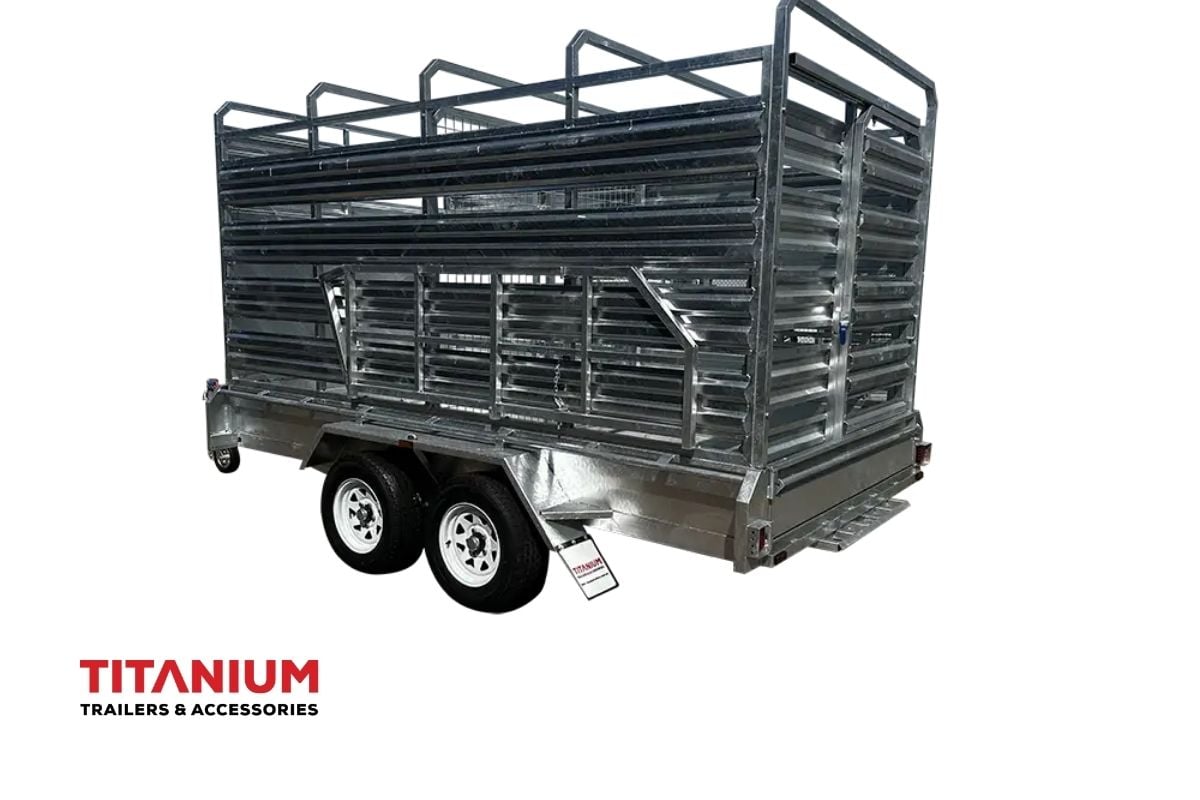
Lighting systems represent a critical safety component that must function reliably under all transport conditions. Professional cattle trailers feature redundant lighting circuits with LED technology that provides superior visibility while reducing power consumption and maintenance requirements. Emergency lighting systems ensure that loading and unloading operations can continue safely even during electrical system failures or low-light conditions.
Braking systems specifically designed for livestock transport applications provide enhanced stopping power while maintaining stability under varying load conditions. Electronic brake controllers allow precise braking force adjustment based on load weight and road conditions, preventing dangerous situations that could result from inadequate or excessive braking force. Learn more about electric brakes on trailers to understand proper setup and operation. Emergency breakaway systems provide automatic trailer braking if the trailer becomes disconnected from the towing vehicle.
Critical Safety System Elements:
Fire suppression and emergency access features provide additional safety margins for high-value livestock transport operations. Some professional trailers include automatic fire suppression systems and emergency ventilation capabilities that can be activated remotely during emergency situations. Emergency access panels allow handlers to reach animals quickly during medical emergencies or transport problems.
Communication systems enable coordination between truck drivers and livestock handlers during loading operations and transport activities. Professional systems include intercom capabilities and emergency communication features that maintain contact even during mechanical failures or electrical problems. Some advanced systems integrate with fleet management technologies for real-time monitoring and emergency response coordination.
The Titanium Trailers commitment to safety excellence includes continuous evaluation of safety system performance and incorporation of proven technologies that enhance livestock transport safety. Our manufacturing processes ensure that safety components meet or exceed Australian standards while providing the reliability required for professional livestock transport operations.
Regular safety system testing and maintenance ensure that protective features function properly when needed most. Professional operations also consider how to improve fuel efficiency when towing a trailer to reduce operating costs and environmental impact. Professional operations include safety system checks in routine maintenance schedules and maintain emergency response procedures that account for various failure scenarios. Training for all personnel involved in livestock transport operations helps ensure that safety systems are used effectively and maintained properly.
What ventilation specifications should I look for in a cattle trailer for Australian conditions? Look for trailers with adjustable ventilation covering at least 20% of wall surface area, including both side vents at animal level and roof vents for heat removal. Ensure vents can be closed during adverse weather while maintaining adequate airflow for animal welfare compliance.
How do I determine the correct size cattle trailer for my operation? Calculate space requirements based on current Australian livestock transport standards, which specify minimum areas per animal by weight category and transport duration. Consider your typical animal sizes, transport distances, and loading flexibility needs when selecting appropriate trailer dimensions.
What flooring materials provide the best safety and durability for cattle transport? Aluminum checker plate flooring offers excellent durability, traction, and drainage properties for most applications. Consider adding rubber matting for valuable breeding stock or animals requiring additional comfort during transport operations.
Are there specific gate requirements for cattle trailers in Australia? Australian livestock transport standards require gates with secure latching mechanisms and proper positioning for animal welfare and handler safety. Gates must operate smoothly and include multiple locking points to prevent accidental opening during transport.
What safety features are legally required for cattle trailers in Australia? Required safety features include appropriate lighting systems, effective braking capabilities, and reflective marking for road visibility. Additional features like emergency access panels and communication systems enhance safety beyond minimum legal requirements.
How often should cattle trailer safety systems be inspected and maintained? Safety systems should be checked before each use and undergo comprehensive inspection according to manufacturer recommendations and Australian Vehicle Standards requirements. Regular maintenance schedules help ensure reliable operation and regulatory compliance.
What financing options are available for cattle trailers? Titanium Trailers offers flexible finance options with low deposit payment plans that make professional cattle trailers accessible for operations of all sizes. Contact our finance specialists to discuss customized payment solutions for your specific requirements.
Can cattle trailers be customized for specific operational requirements? Professional manufacturers offer extensive customization options including specific sizing, specialized flooring, enhanced ventilation systems, and additional safety features. Request a custom quote to explore customized cattle trailer solutions for your specific operational requirements.
What maintenance is required for cattle trailer flooring systems? Regular cleaning with appropriate disinfectants maintains hygiene and prevents odor buildup that could affect animal welfare. Inspect flooring surfaces regularly for wear or damage that could compromise traction or structural integrity.
How do I ensure my cattle trailer meets Australian livestock transport standards? Work with experienced manufacturers who understand current regulations and incorporate compliant design features. Learn why a custom trailer is the smarter choice in 2025 for livestock operations requiring specialized solutions. Regular inspections and maintenance according to manufacturer specifications help maintain compliance throughout the trailer’s operational life.
Ready to invest in a professional-grade cattle trailer designed specifically for Australian livestock transport conditions? Contact us for an expert consultation and competitive pricing on cattle trailers that prioritize animal welfare, operational efficiency, and regulatory compliance. Our experienced specialists will help you select the optimal features and specifications for your specific livestock transport requirements, ensuring years of reliable service across Australia’s demanding transport environments.
Quick answer: The best trailer for landscaping depends on your main load. A tipper trailer is the top all-round choice for bulk mulch, soil, sand,
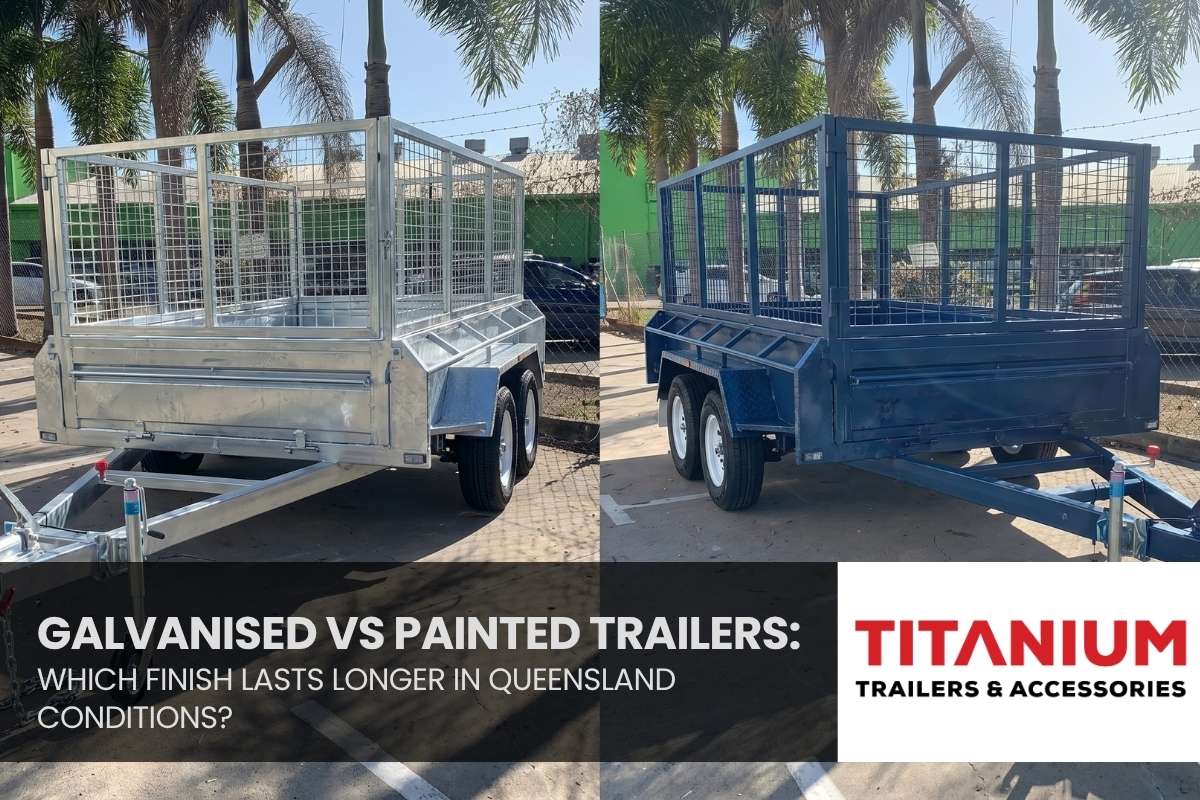
In Queensland conditions, a hot-dip galvanised trailer lasts significantly longer than a painted one. Galvanising bonds a sacrificial zinc layer to the steel that keeps