
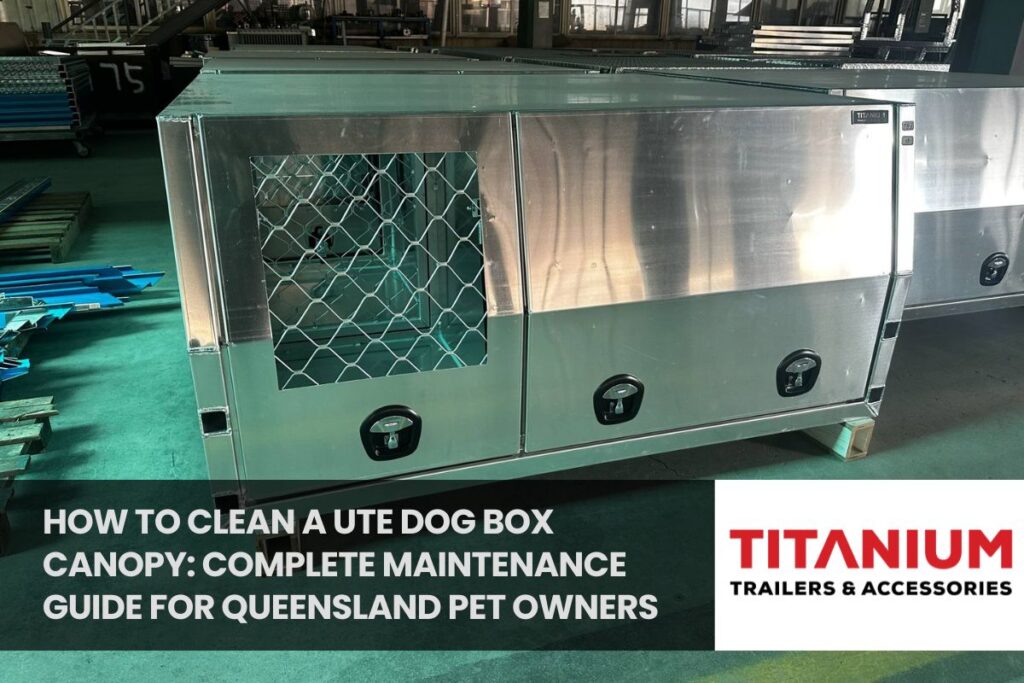
Maintaining a clean UTE dog box canopy presents unique challenges, especially when dealing with waste incidents in enclosed spaces without drainage systems. Whether you’re transporting working dogs across Queensland properties or taking family pets on weekend adventures, effective cleaning of confined dog box spaces requires specialized techniques and equipment to ensure hygiene and pet safety.
Enclosed dog box canopies, including both solid-wall and mesh-style designs, create specific cleaning challenges when accidents occur. Without the benefit of drainage systems or easy access, removing waste and achieving thorough sanitation requires systematic approaches that work within the constraints of confined spaces.
A properly maintained dog box canopy not only provides healthier conditions for your pets but also preserves the structural integrity and resale value of your UTE modification. In Queensland’s challenging climate conditions, from coastal humidity to inland dust, effective cleaning becomes even more critical for preventing permanent damage and maintaining usable conditions.
This comprehensive guide covers everything Queensland UTE owners need to know about cleaning and maintaining dog box canopies. You’ll discover professional cleaning techniques, essential supplies, step-by-step processes, and maintenance schedules that keep your canopy in optimal condition while ensuring pet safety and comfort.
We’ll explore cleaning methods suitable for different canopy materials, address Queensland-specific environmental challenges, and provide expert recommendations for both routine maintenance and deep cleaning procedures. Whether you’re dealing with everyday dirt or tackling seasonal maintenance, this guide ensures your dog box canopy remains hygienic, functional, and durable.
Cleaning enclosed dog box canopies requires specialized equipment for working in confined spaces without drainage systems. Essential items include disposable gloves, plastic scrapers for solid waste removal, absorbent materials, and long-handled brushes that can reach all interior surfaces effectively.
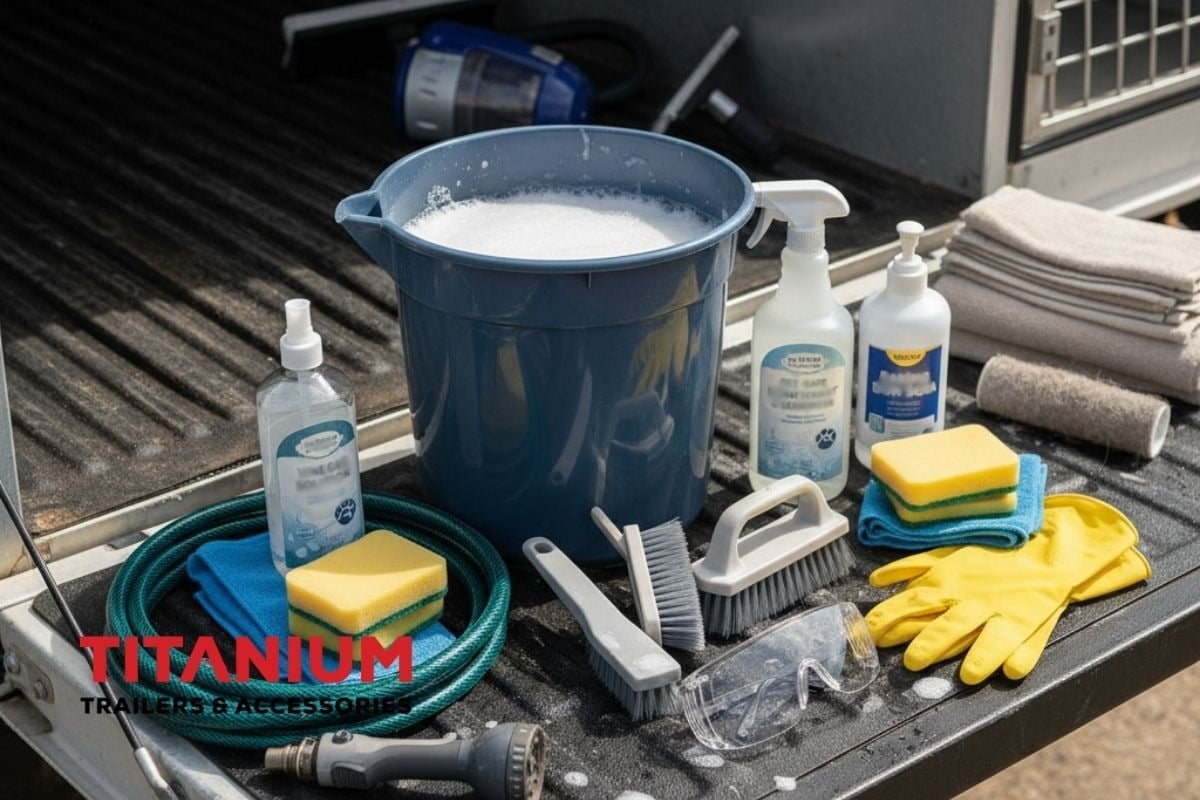
For mesh-style dog boxes, you’ll need additional tools including soft-bristled brushes that can clean through mesh openings, compressed air for debris removal, and flexible cleaning tools that can navigate around mesh barriers while ensuring thorough sanitation.
High-quality cleaning supplies protect both your canopy investment and your pets’ health. Choose pH-neutral cleaners that effectively remove organic waste, bacteria, and odours without compromising material integrity. Professional-grade equipment ensures thorough cleaning while maintaining the pristine condition that Queensland pet owners expect from their canopy system.
Enzyme-based cleaners are essential for breaking down organic waste including urine, feces, and vomit that commonly occur in dog transport scenarios. These biological cleaners work at the molecular level to eliminate odours and stains permanently, rather than simply masking them with fragrances.
Pet-safe disinfectants specifically formulated for animal waste provide powerful pathogen elimination without toxic residues. Select products with proven effectiveness against common bacteria, viruses, and parasites found in dog waste while remaining safe for repeated pet exposure in confined spaces.
Odour-neutralizing products designed for pet waste address the unique challenges of enclosed dog box environments. Unlike standard air fresheners, professional enzyme treatments permanently eliminate organic odours by breaking down the compounds that cause them, essential for maintaining hygienic conditions in non-ventilated spaces.
Personal protective equipment ensures safe handling of cleaning chemicals and prevents exposure to potentially harmful contaminants. Rubber gloves, protective eyewear, and appropriate clothing protect against chemical splashes and allergen exposure during cleaning procedures.
Proper ventilation equipment becomes essential when cleaning enclosed canopy spaces. Portable fans or ventilation systems ensure adequate airflow during chemical application and drying phases, preventing dangerous fume accumulation in confined spaces.
Safety protocols protect both cleaners and pets from potential hazards. Understanding proper chemical handling, ventilation requirements, and emergency procedures ensures safe, effective cleaning practices that maintain health standards without compromising safety.
Begin every cleaning session by wearing disposable gloves and having waste disposal bags ready before opening the dog box. The confined space and lack of drainage make initial waste removal the critical first step for effective cleaning.
For solid waste, use plastic scrapers or disposable tools to remove material without smearing it across surfaces. Work systematically from one end to the other, collecting waste in disposable bags to prevent cross-contamination of cleaning equipment.
For liquid waste or loose material, use absorbent materials like cat litter or commercial absorbents to solidify liquids before removal. This prevents waste from spreading during the cleaning process and makes disposal more manageable in confined spaces.
Start with dry removal of remaining debris using disposable materials and brushes. The enclosed design means any moisture will take longer to dry, so thorough dry cleaning reduces the amount of water needed for the sanitizing phase.
Apply enzyme cleaner liberally to all contaminated surfaces, allowing adequate contact time for biological breakdown of organic matter. Work from top to bottom using scrub brushes that can reach all corners and crevices where waste typically accumulates.
Wipe down all surfaces with clean, damp cloths to remove loosened contamination and cleaning residue. Multiple passes may be necessary to achieve complete cleanliness in the confined space, as you cannot rinse surfaces like you would with drained areas.
Mesh-style dog boxes require different techniques due to limited access through mesh openings. Use compressed air or shop vacuums to remove loose debris that has fallen through or become trapped in mesh areas.
Apply cleaning solutions using spray bottles that can direct product through mesh openings onto contaminated surfaces. Long-handled brushes or flexible cleaning tools allow effective scrubbing of interior surfaces while working around mesh barriers.
For thorough disinfection, use foggers or spray systems that can distribute disinfectant evenly throughout the enclosed space. This ensures complete coverage of surfaces that may be difficult to reach directly through mesh openings.
Severe contamination incidents require complete decontamination protocols that address both visible waste and invisible pathogens. This intensive process begins with complete waste removal followed by multiple cleaning phases using progressively stronger disinfectants.
For enclosed spaces without drainage, use steam cleaning equipment that can sanitize surfaces while extracting moisture. This method eliminates pathogens effectively while reducing the moisture buildup that could lead to mould or corrosion in confined spaces.
Complete decontamination includes treating all surfaces with hospital-grade disinfectants, allowing proper contact time, and ensuring adequate ventilation for safe drying. These procedures eliminate health risks while restoring the dog box to hygienic conditions for future use.
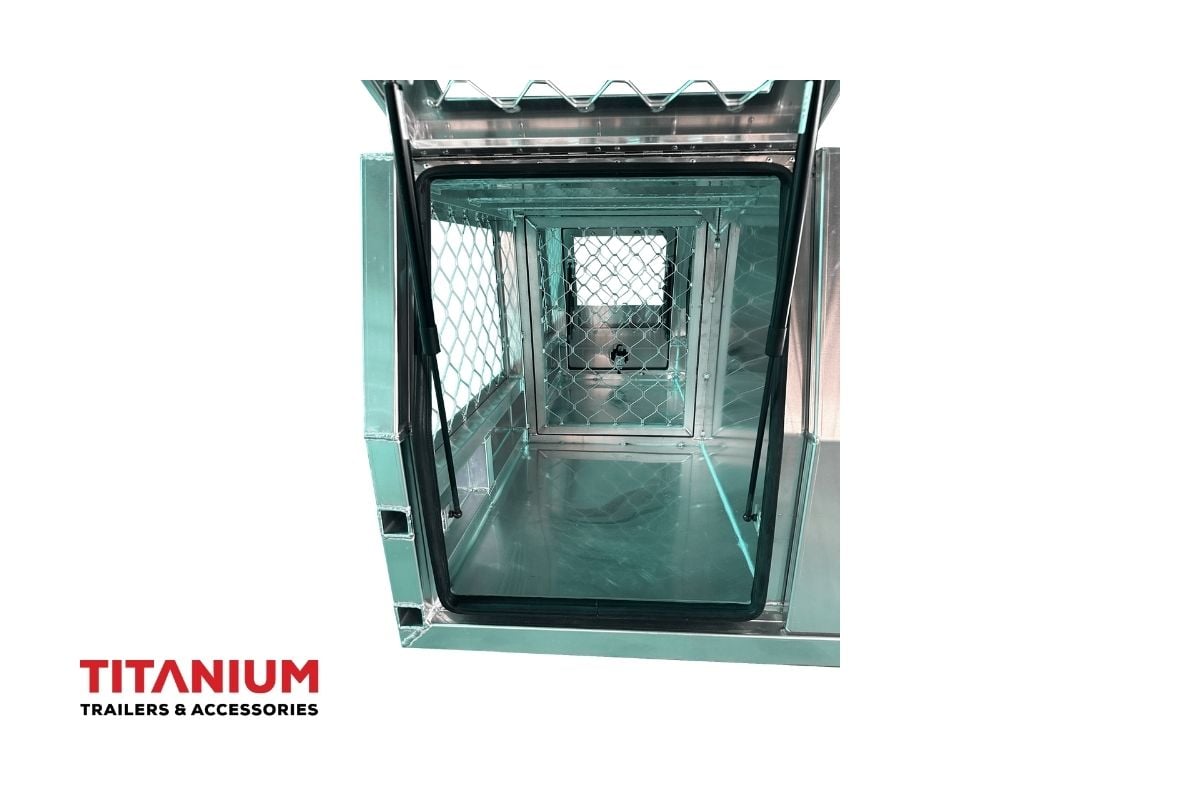
For dried or stuck waste, apply enzyme cleaner and allow time for biological breakdown before attempting removal. This softening process makes cleaning more effective while reducing the scrubbing force needed to achieve clean surfaces.
Dispose of waste material immediately in sealed bags to prevent odour development and bacterial growth. Never allow waste to accumulate in cleaning equipment or work areas, as this creates additional contamination sources that complicate the cleaning process.
Liquid waste poses unique challenges in enclosed spaces without drainage systems. Use absorbent materials immediately to prevent liquid from spreading or soaking into porous surfaces that become difficult to clean effectively.
Enzyme cleaners specifically designed for urine neutralization are essential for eliminating both stains and odours permanently. These biological cleaners break down uric acid crystals that cause persistent odours, ensuring complete decontamination rather than temporary odour masking.
For recurring liquid waste issues, consider adding absorbent mats or removable flooring materials that can be easily cleaned or replaced. These preventive measures reduce deep cleaning requirements while maintaining hygienic conditions between uses.
Mesh dog boxes present unique cleaning difficulties when waste falls through openings or becomes trapped in mesh structures. Use compressed air to dislodge debris, followed by brushing from multiple angles to ensure complete removal.
Apply cleaning solutions using spray bottles that can direct product through mesh openings effectively. Multiple applications may be necessary to ensure adequate coverage of all contaminated surfaces within the confined space.
Disinfection of mesh areas requires special attention to ensure pathogen elimination in areas that cannot be directly accessed. Fogging equipment or extended contact times with appropriate disinfectants provide comprehensive sanitation for mesh-style enclosures.
Queensland’s humidity creates particular challenges for enclosed dog boxes without ventilation or drainage systems. Moisture retention in confined spaces accelerates bacterial growth and odour development, requiring more frequent cleaning and specialized moisture control measures.
Coastal areas expose dog boxes to salt air that accelerates corrosion while creating conditions conducive to bacterial growth. Regular cleaning becomes even more critical in these environments, as contamination combined with salt exposure creates aggressive corrosive conditions.
Inland Queensland’s dust infiltration affects enclosed dog boxes differently than open systems. Dust combines with organic waste to create stubborn contamination that requires specialized cleaning techniques and more frequent maintenance to prevent buildup.
Enclosed dog boxes without drainage systems are particularly susceptible to moisture retention that promotes mould and mildew growth. After cleaning, ensure complete drying using fans or dehumidifiers before closing the dog box for storage.
Apply anti-microbial treatments specifically designed for humid environments to provide ongoing protection between cleaning sessions. These treatments are especially important in Queensland’s climate where humidity levels consistently support bacterial and fungal growth.
Consider moisture-absorbing materials or ventilation modifications that reduce humidity buildup without compromising the security of the enclosed space. These preventive measures reduce cleaning frequency while maintaining healthier conditions for transported pets.
Queensland’s high temperatures affect cleaning product effectiveness and safety. Avoid cleaning during peak heat hours when chemical evaporation rates increase and confined spaces become dangerously hot for cleaning personnel.
Hot surfaces can cause cleaning chemicals to evaporate before achieving effective contact time. Plan cleaning activities during cooler parts of the day to ensure proper chemical action and safe working conditions.
Temperature extremes also affect material expansion and contraction, potentially creating gaps or stress points that require attention during cleaning inspections. Regular monitoring prevents minor issues from developing into major problems.
Integrate canopy cleaning with routine UTE maintenance schedules for maximum efficiency and consistency. This systematic approach ensures regular attention while minimizing time investment and maintenance costs over the long term.
Regular maintenance during cleaning sessions identifies potential problems early, preventing minor issues from developing into major repairs. This proactive approach saves money while ensuring continuous canopy reliability for pet transport needs.
Professional maintenance relationships with experienced canopy specialists provide expert support when problems exceed DIY capabilities. These partnerships ensure access to specialized knowledge and quality repair services when needed.
Develop systematic record-keeping for cleaning and maintenance activities to track canopy condition over time. This documentation helps identify patterns, optimize maintenance schedules, and provide valuable information for warranty or insurance purposes.
Investment in quality protective products extends canopy lifespan while reducing maintenance requirements. UV protectants, corrosion inhibitors, and protective coatings provide ongoing protection between maintenance sessions.
Understanding when to seek professional assistance prevents damage from incorrect DIY repairs. Qualified technicians provide expertise for complex problems while ensuring repairs maintain manufacturer standards and warranty coverage.
Attempting to hose out enclosed dog boxes creates flooding that cannot drain properly, leading to prolonged moisture exposure that promotes rust and mould growth. Always use controlled moisture application with immediate extraction or absorption methods.
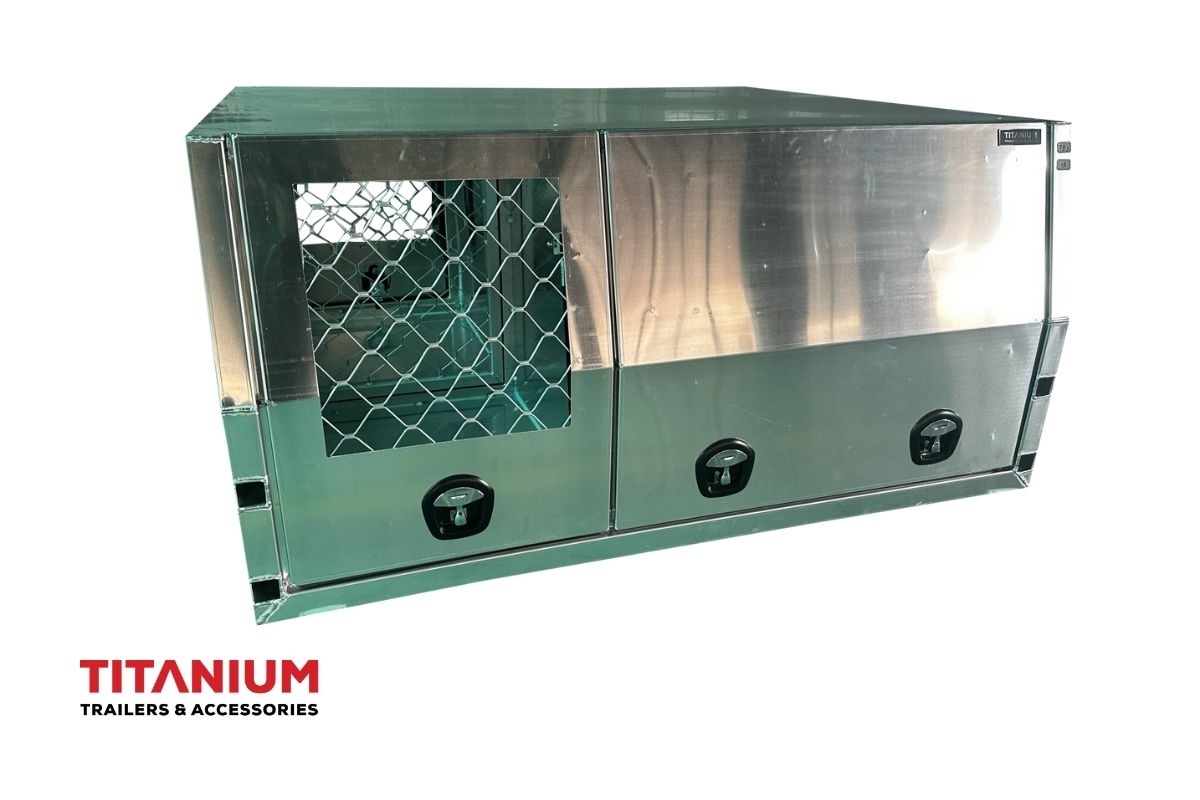
Scraping waste too aggressively can drive contamination into surface textures or damage protective coatings. Use gentle techniques with appropriate tools, allowing enzyme cleaners time to soften material before mechanical removal.
Inadequate waste disposal creates secondary contamination sources that complicate cleaning and create health hazards. Always seal waste in appropriate containers and dispose of it immediately to prevent bacterial growth and odour development.
Using excessive amounts of cleaning chemicals in enclosed spaces can create dangerous fume concentrations and leave residues that harm pets. Follow manufacturer dilution rates and ensure adequate ventilation during application.
Mixing different cleaning products without understanding chemical interactions can create dangerous gases or neutralize cleaning effectiveness. Use one product at a time and rinse thoroughly between different chemical applications.
Insufficient contact time for enzyme cleaners reduces effectiveness against organic waste. Allow adequate time for biological breakdown before wiping or rinsing, especially for urine and feces contamination.
Failing to completely dry enclosed spaces after cleaning creates ideal conditions for mould, mildew, and bacterial growth. Use fans, dehumidifiers, or compressed air to ensure thorough drying before closing the dog box.
Cleaning during high humidity or hot weather conditions can prevent proper drying and reduce chemical effectiveness. Plan cleaning activities during optimal weather conditions for best results and safety.
Neglecting moisture-absorbing materials or ventilation improvements allows humidity buildup that requires more frequent cleaning and creates ongoing health risks for transported pets.
Complex mechanical problems, significant damage, or warranty-covered issues require professional attention from qualified canopy specialists. Attempting DIY repairs on sophisticated systems can void warranties or create safety hazards for transported pets.
Seasonal deep cleaning services provide comprehensive maintenance that exceeds typical DIY capabilities. Professional services include specialized equipment, industrial-grade cleaning solutions, and expert knowledge of canopy systems.
Time constraints or physical limitations may make professional services the practical choice for maintaining canopy condition. Quality service providers offer convenient scheduling and comprehensive maintenance packages that ensure consistent care.
Select service providers with specific experience in pet transport equipment and canopy maintenance. This specialized knowledge ensures appropriate techniques and understanding of pet safety requirements.
Verify insurance coverage, licensing, and professional certifications before engaging maintenance services. These qualifications protect against liability while ensuring competent service delivery.
Establish ongoing relationships with trusted service providers for consistent care and priority scheduling. Long-term partnerships provide better service quality while building valuable maintenance history for your specific canopy system.
Professional maintenance services often cost less than major repairs resulting from neglect or improper DIY maintenance. Regular professional care extends canopy lifespan while maintaining optimal performance and pet safety standards.
Quality service providers offer comprehensive packages that include routine maintenance, emergency repairs, and warranty coverage. These programs provide predictable costs while ensuring consistent care quality.
Consider professional services as insurance against expensive problems rather than optional expenses. Proper maintenance protects canopy investment while ensuring reliable pet transport capability when needed.
Aluminium canopies require different cleaning approaches than steel or composite materials. Understanding material-specific requirements ensures effective cleaning while preventing damage to protective finishes or structural components.
Custom canopy features like specialized ventilation systems, integrated lighting, or advanced locking mechanisms need specific maintenance attention. These sophisticated systems require careful cleaning to maintain function while ensuring longevity.
Protective coatings and finishes on custom canopies may have specific cleaning requirements or restrictions. Always consult manufacturer guidelines before selecting cleaning products or techniques for custom installations.
Proper maintenance documentation may be required to maintain warranty coverage on custom canopy installations. Keep detailed records of cleaning and maintenance activities to ensure warranty protection remains valid.
Using inappropriate cleaning methods or unauthorized modifications can void warranty coverage. Always verify cleaning procedures with manufacturers or authorized dealers before proceeding with maintenance activities.
Regular maintenance by qualified service providers may be required to maintain warranty coverage on sophisticated custom installations. Understand these requirements before purchasing to ensure ongoing protection.
Regular maintenance provides opportunities to assess canopy performance and identify potential upgrades or modifications. Custom modifications can improve functionality while addressing specific usage requirements.
Cleaning sessions reveal wear patterns that indicate opportunities for preventive upgrades or reinforcement. These improvements extend canopy lifespan while improving performance and pet safety.
Professional maintenance relationships provide access to latest technology and upgrade options. Service providers can recommend improvements based on usage patterns and emerging technologies.
How do I clean dog poop from an enclosed dog box without making a mess? Use plastic scrapers to remove solid waste first, then apply enzyme cleaner to break down remaining material. Work systematically from one end to avoid spreading contamination, and always wear disposable gloves.
What’s the best way to clean mesh-style dog boxes when waste falls through? Use compressed air to dislodge debris, then spray enzyme cleaners through mesh openings. Long-handled brushes and fogging equipment help reach contaminated areas that can’t be accessed directly.
How often should I clean my dog box canopy after waste incidents? Clean immediately after any waste incident to prevent staining and odour development. Even with immediate cleanup, perform deep cleaning weekly if boxes are used regularly for pet transport.
Can I use a hose to rinse the inside of my enclosed dog box? Avoid flooding enclosed spaces without drainage. Instead, use damp cloths and steam cleaners to remove contamination while controlling moisture levels that could cause mould or corrosion.
What cleaning products work best for eliminating dog waste odours? Enzyme-based cleaners specifically designed for pet waste break down odour-causing compounds permanently. Avoid masking products that only temporarily cover smells without eliminating the source.
How do I prevent waste from sticking to the dog box surfaces? Apply protective coatings or use removable mats that can be easily cleaned or replaced. Regular cleaning also prevents waste from drying and bonding to surfaces.
Should I disinfect the dog box after every use? Disinfect after any waste incident and weekly with regular use. Use pet-safe disinfectants that eliminate pathogens without leaving harmful residues in the confined space.
How do I dry an enclosed dog box after cleaning without drainage? Use fans, dehumidifiers, or compressed air to remove moisture. Ensure complete drying before closing the dog box to prevent mould growth and corrosion in the confined space.
What should I do if waste gets into cracks or joints in the dog box? Use enzyme cleaners with extended contact time to penetrate and break down organic matter in crevices. Steam cleaning can also reach difficult areas effectively.
When should I consider professional cleaning services for my dog box? Seek professional help for severe contamination, persistent odours, or when health concerns arise. Professional services have specialized equipment for thorough decontamination of confined spaces.
Proper cleaning and maintenance of your UTE dog box canopy ensures pet safety, equipment longevity, and reliable performance when you need it most. Don’t wait until problems develop – start implementing these professional cleaning techniques today.Ready to upgrade to a premium dog box canopy system designed for Queensland conditions? Visit our Townsville or Rockhampton showrooms to explore custom solutions with flexible finance options that fit your budget.
Quick answer: The best trailer for landscaping depends on your main load. A tipper trailer is the top all-round choice for bulk mulch, soil, sand,
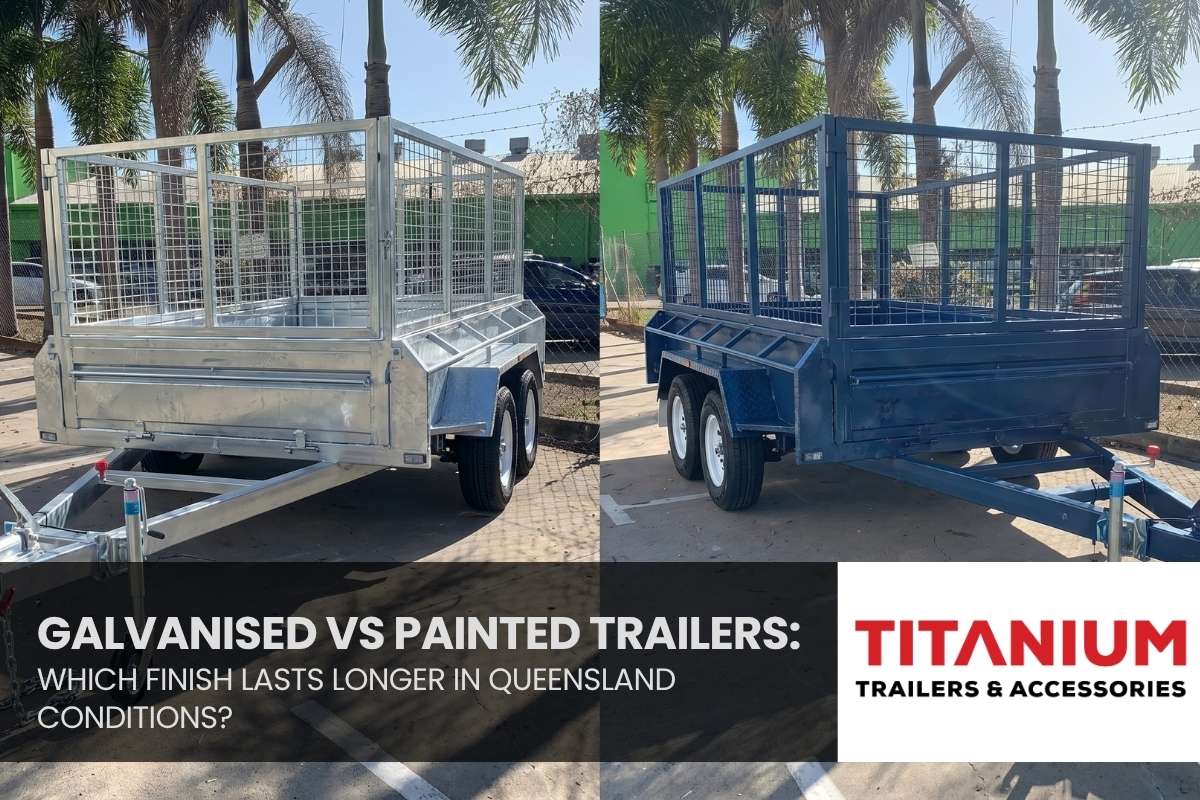
In Queensland conditions, a hot-dip galvanised trailer lasts significantly longer than a painted one. Galvanising bonds a sacrificial zinc layer to the steel that keeps