
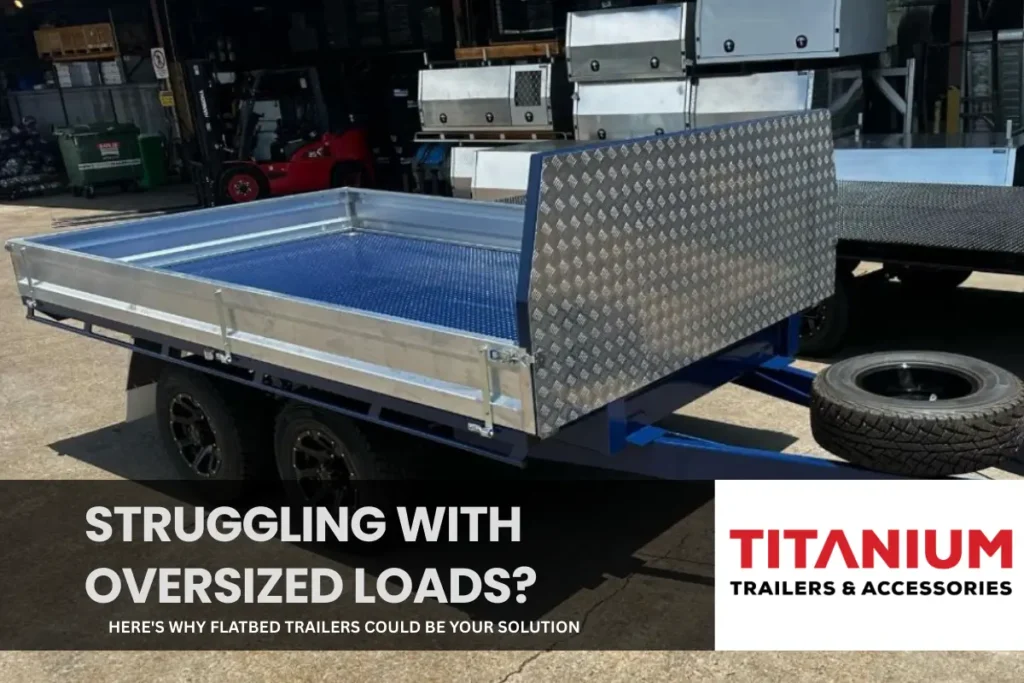
Transporting oversized equipment, machinery, and materials presents unique challenges that standard trailers simply cannot address. Whether you’re moving construction equipment across Queensland job sites, delivering agricultural machinery to remote farms, or transporting industrial components between facilities, the limitations of enclosed trailers become apparent when dealing with cargo that exceeds conventional dimensions.
Flatbed trailers represent the optimal solution for businesses and individuals facing these transport challenges. At Titanium Trailers, we understand that every oversized load presents unique requirements, which is why our custom trailer solutions are designed to handle the most demanding transport tasks across North Queensland and beyond.
The versatility, accessibility, and load-bearing capacity of flatbed trailers make them indispensable for industries ranging from construction and agriculture to manufacturing and logistics. This comprehensive guide explores why flatbed trailers could be the perfect solution for your oversized load challenges.
This article examines the critical role flatbed trailers play in solving oversized load transport challenges. You’ll discover the fundamental advantages of flatbed design, explore various applications across different industries, and understand how custom flatbed solutions can address your specific transport requirements.
We’ll cover the key features that make flatbed trailers superior for oversized cargo, compare different flatbed configurations, and provide practical guidance on selecting the right trailer for your needs. Additionally, we’ll explore Titanium Trailers’ custom build capabilities, financing options, and ongoing support services.
• Flatbed trailers offer unmatched versatility for transporting oversized, irregularly shaped, or heavy equipment
• Open deck design provides 360-degree access for loading and securing cargo from all angles
• Custom flatbed configurations can accommodate specific dimensional and weight requirements
• Professional-grade tie-down systems ensure secure transport of valuable equipment and materials
• Flexible financing options make flatbed trailer acquisition accessible for businesses of all sizes
• Expert consultation helps determine optimal trailer specifications for individual transport needs
• Regular maintenance and proper operation maximize trailer lifespan and safety performance
Traditional enclosed trailers impose significant restrictions on cargo dimensions, with fixed height, width, and length parameters that cannot accommodate oversized equipment. Construction machinery, agricultural implements, and industrial components often exceed these standard dimensions, making conventional trailers unsuitable for transport needs.
The rigid structure of box trailers creates additional complications when attempting to load equipment with protruding elements, irregular shapes, or components that require specific orientation during transport. These limitations force businesses to seek alternative transport solutions or modify their operations to work within restrictive parameters.
Standard trailer configurations also present challenges when transporting multiple pieces of equipment simultaneously. The inability to efficiently utilize available space results in increased transport costs and scheduling complications that impact operational efficiency.
Enclosed trailers present significant access limitations that complicate the loading and unloading process for oversized cargo. Rear-door access restricts the use of overhead cranes, forklifts, and other heavy equipment necessary for handling large items safely and efficiently.
The confined space within enclosed trailers makes it difficult to position and secure oversized items properly, increasing the risk of damage during transport and creating safety hazards for loading personnel. These access restrictions often require specialized equipment or additional labor, increasing operational costs and complexity.
Time constraints become particularly problematic when standard trailers limit loading efficiency. Extended loading and unloading times impact project schedules, increase labor costs, and reduce overall productivity for businesses dependent on timely equipment transport.
Oversized loads often present unique weight distribution challenges that standard trailers cannot address effectively. Concentrated weight points, irregular load shapes, and shifting cargo can create stability issues that compromise transport safety and vehicle performance.
Traditional trailer designs may not provide adequate support for heavy equipment, resulting in structural stress, premature wear, and potential failure under extreme load conditions. These limitations create liability concerns and increase maintenance costs for businesses requiring reliable heavy transport solutions.
The inability to properly balance oversized loads within standard trailer configurations can lead to handling problems, tire wear issues, and reduced fuel efficiency during transport operations. These factors combine to create significant operational challenges for businesses managing oversized equipment transport.
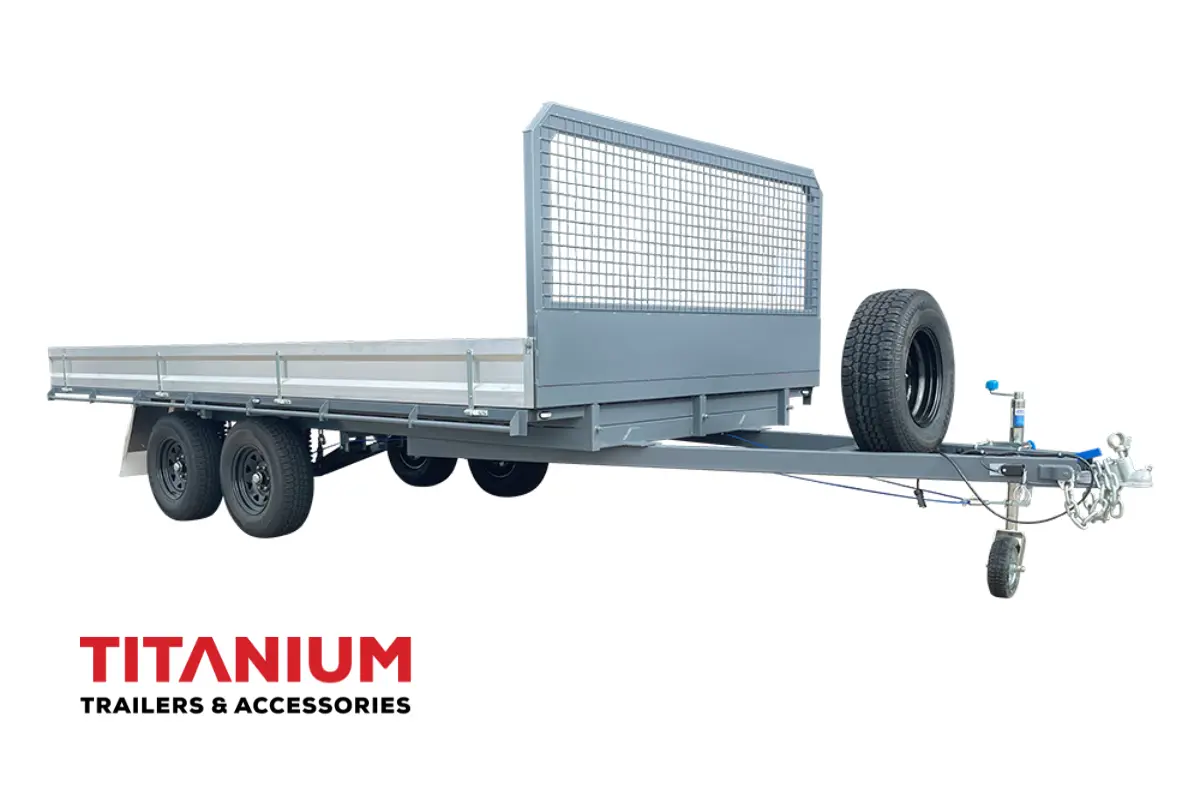
Flatbed trailers eliminate the access restrictions that plague enclosed designs by providing complete 360-degree loading access. This open configuration allows cranes, forklifts, and other heavy equipment to approach from any angle, facilitating efficient and safe cargo handling operations.
The absence of walls, roofs, or doors means there are no dimensional restrictions limiting equipment placement or loading procedures. This flexibility enables businesses to develop efficient loading protocols tailored to their specific equipment and operational requirements.
Multiple pieces of equipment can be loaded simultaneously from different positions, significantly reducing loading time and improving operational efficiency. This capability proves particularly valuable for businesses managing complex transport schedules or handling multiple equipment deliveries.
The open deck design of flatbed trailers accommodates virtually any cargo configuration, from standard rectangular loads to irregular shapes that would be impossible to transport in enclosed trailers. Construction equipment, agricultural machinery, and industrial components can be positioned optimally for safe and efficient transport.
Height restrictions become irrelevant with flatbed configurations, allowing transport of tall equipment, machinery with raised components, and stacked materials that exceed standard trailer limitations. This versatility eliminates the need for equipment disassembly or specialized transport arrangements.
Width and length flexibility enables efficient space utilization and the ability to transport multiple items with varying dimensions simultaneously. Custom tie-down configurations can be developed for specific cargo types, ensuring secure transport regardless of load characteristics.
Flatbed trailers provide excellent weight distribution capabilities through their robust deck construction and strategic support points. Heavy equipment can be positioned to optimize weight balance across the trailer’s axles, improving stability and vehicle handling characteristics.
The open design allows for precise load positioning to achieve optimal weight distribution, reducing stress on individual trailer components and extending overall service life. This capability proves essential for businesses regularly transporting heavy machinery or dense materials.
Custom mounting points and reinforcement options enable flatbed trailers to handle concentrated loads that would exceed the capabilities of standard designs. This flexibility ensures safe transport of specialized equipment while maintaining trailer integrity and performance.
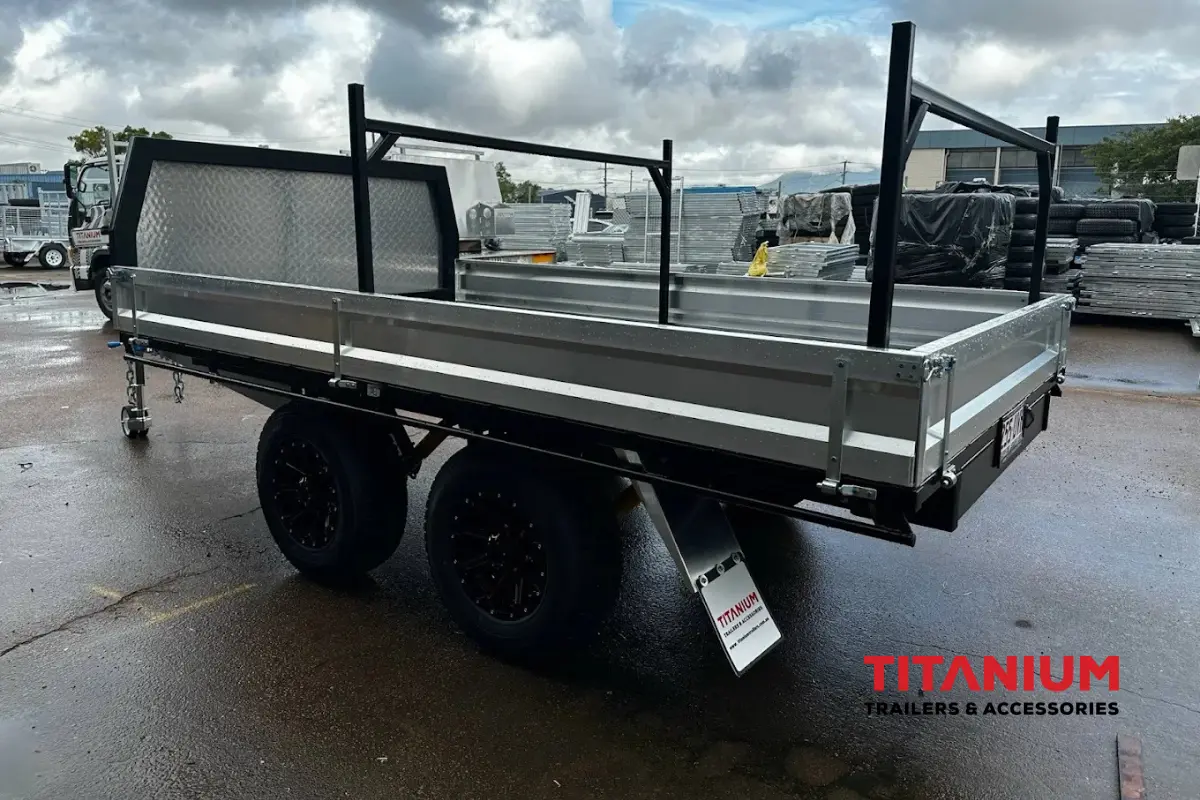
Basic flatbed trailers feature a level deck surface with standard dimensions suitable for most general transport applications. These configurations provide excellent versatility for businesses requiring flexible cargo transport capabilities without specialized features or custom modifications.
Standard flatbeds typically incorporate removable stake pockets, multiple tie-down points, and basic safety equipment to accommodate various cargo types safely and efficiently. These features provide adequate security and versatility for most commercial transport requirements.
The straightforward design of standard flatbeds makes them cost-effective options for businesses beginning to explore oversized load transport or those with basic transport requirements. Their simplicity also translates to lower maintenance costs and easier operation for inexperienced operators.
Drop deck flatbeds feature lowered cargo areas that reduce overall transport height while maintaining standard loading access. This configuration proves ideal for tall equipment that might otherwise exceed legal height limits on standard flatbed trailers.
Lowboy trailers take height reduction further by incorporating extremely low deck positions, often requiring detachable goosenecks for loading access. These specialized configurations accommodate the tallest equipment while maintaining legal transport compliance and operational safety.
The reduced deck height of these configurations provides stability advantages for tall, narrow loads by lowering the center of gravity and reducing wind resistance during transport. This design proves particularly valuable for construction equipment and industrial machinery transport.
Custom flatbed designs address specific transport requirements that standard configurations cannot accommodate effectively. Titanium Trailers specializes in developing custom trailer solutions that meet exact operational specifications and regulatory requirements.
Specialized features might include hydraulic loading systems, adjustable deck sections, reinforced mounting points, or integrated lifting capabilities designed for specific equipment types. These modifications ensure optimal performance for unique transport applications.
Custom configurations also address specific industry requirements, such as agricultural equipment transport, construction machinery hauling, or industrial component delivery. Each custom design incorporates features specifically selected to enhance operational efficiency and safety for intended applications.
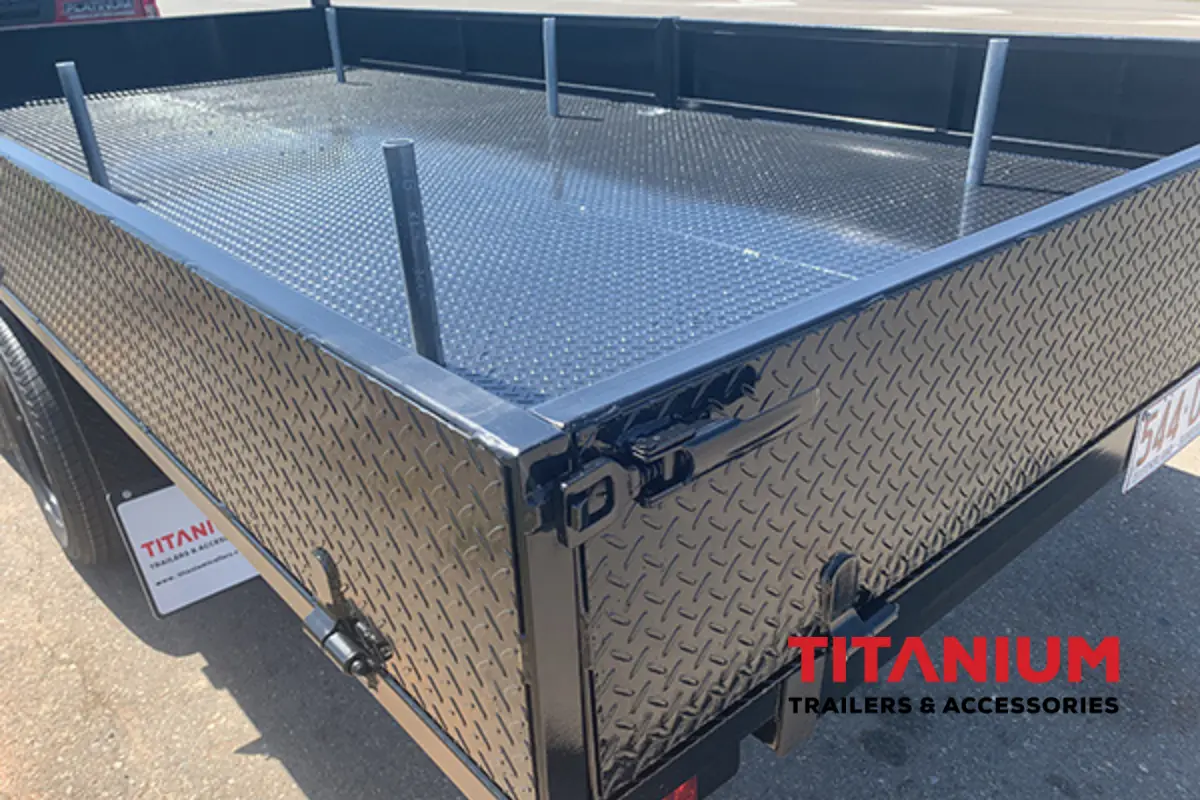
Construction companies face constant challenges transporting excavators, dozers, cranes, and other heavy equipment between job sites. Standard trailers cannot accommodate the size, weight, and irregular dimensions of modern construction machinery, making flatbed trailers essential for operational efficiency.
The ability to load equipment from multiple angles proves crucial when working in confined spaces or areas with limited access. Construction sites often lack the space for complex trailer maneuvering, making the loading flexibility of flatbed trailers invaluable for maintaining project schedules.
Heavy equipment transport requires specialized securing methods that flatbed trailers accommodate through multiple tie-down points, custom mounting systems, and reinforced deck construction. These features ensure valuable machinery remains secure during transport while preventing damage to both equipment and trailer.
Agricultural operations depend on specialized equipment that rarely fits within standard trailer dimensions. Tractors, harvesters, planters, and irrigation equipment require open deck transport solutions that accommodate their unique configurations and operational attachments.
Seasonal equipment movement between fields, storage facilities, and service locations creates ongoing transport requirements that flatbed trailers address efficiently. The ability to transport multiple pieces simultaneously reduces operational costs and improves farming efficiency during critical seasonal periods.
Custom agricultural configurations might include specialized tie-down systems for specific equipment types, reinforced decks for heavy machinery, or integrated loading aids that facilitate field-based equipment pickup and delivery operations.
Manufacturing facilities regularly move heavy machinery, raw materials, and finished products that exceed standard trailer capabilities. Industrial equipment often features irregular shapes, protruding components, and concentrated weight distributions that require flatbed transport solutions.
The precision required for industrial equipment positioning during loading and unloading makes the accessibility of flatbed trailers essential for maintaining operational schedules and preventing costly equipment damage. Multiple access points enable efficient integration with existing material handling systems.
Specialized industrial applications might require custom deck modifications, integrated power systems for equipment operation during transport, or specific environmental protection features that standard trailers cannot provide effectively.
Freight companies managing oversized shipments require versatile trailer solutions that accommodate diverse cargo types efficiently. Flatbed trailers enable logistics operations to accept contracts that would be impossible with standard enclosed trailers, expanding business opportunities significantly.
The ability to quickly reconfigure tie-down systems and loading arrangements allows freight operations to maximize trailer utilization while maintaining security and safety standards. This flexibility proves essential for maintaining competitive pricing and service capabilities.
Professional freight operations benefit from flatbed trailers designed for frequent loading cycles, multiple cargo types, and extended service life under demanding operational conditions. These requirements often necessitate custom features and enhanced construction specifications.
Effective cargo securement requires comprehensive tie-down systems specifically designed for oversized loads. Professional-grade mounting points, multiple anchor locations, and appropriate hardware ensure valuable equipment remains secure throughout transport operations.
The placement and spacing of tie-down points must accommodate various cargo configurations while providing adequate securing force distribution. Custom arrangements can address specific equipment requirements and ensure compliance with transport regulations and safety standards.
High-quality tie-down hardware, including chains, straps, and tensioning devices, proves essential for maintaining cargo security under varying transport conditions. Professional systems incorporate redundant securing methods and safety factors appropriate for valuable equipment transport.
Flatbed deck construction must provide adequate strength and durability for intended load requirements while maintaining reasonable trailer weight for optimal payload capacity. Steel and aluminum deck options offer different advantages depending on specific operational requirements and budget considerations.
Reinforcement options, including additional cross-members, thicker decking materials, and specialized support structures, enable custom weight capacity specifications that address unique transport requirements. These modifications ensure safe operation under maximum load conditions while extending trailer service life.
Deck surface treatments, such as non-slip coatings, integrated mounting points, and wear-resistant materials, enhance operational safety and efficiency while reducing maintenance requirements. These features prove particularly valuable for frequent-use commercial applications.
Legal compliance requires specific safety equipment, lighting systems, and marking requirements that vary based on load dimensions and transport routes. Professional flatbed trailers incorporate all necessary safety features while providing flexibility for additional requirements.
Oversized load transport often requires special permits, escort vehicles, and route restrictions that must be considered during trailer specification and operation planning. Proper equipment selection ensures compliance while minimizing operational complications and costs.
Safety features extend beyond regulatory requirements to include operational considerations such as loading aids, personnel protection systems, and emergency equipment that enhance overall transport safety and efficiency.
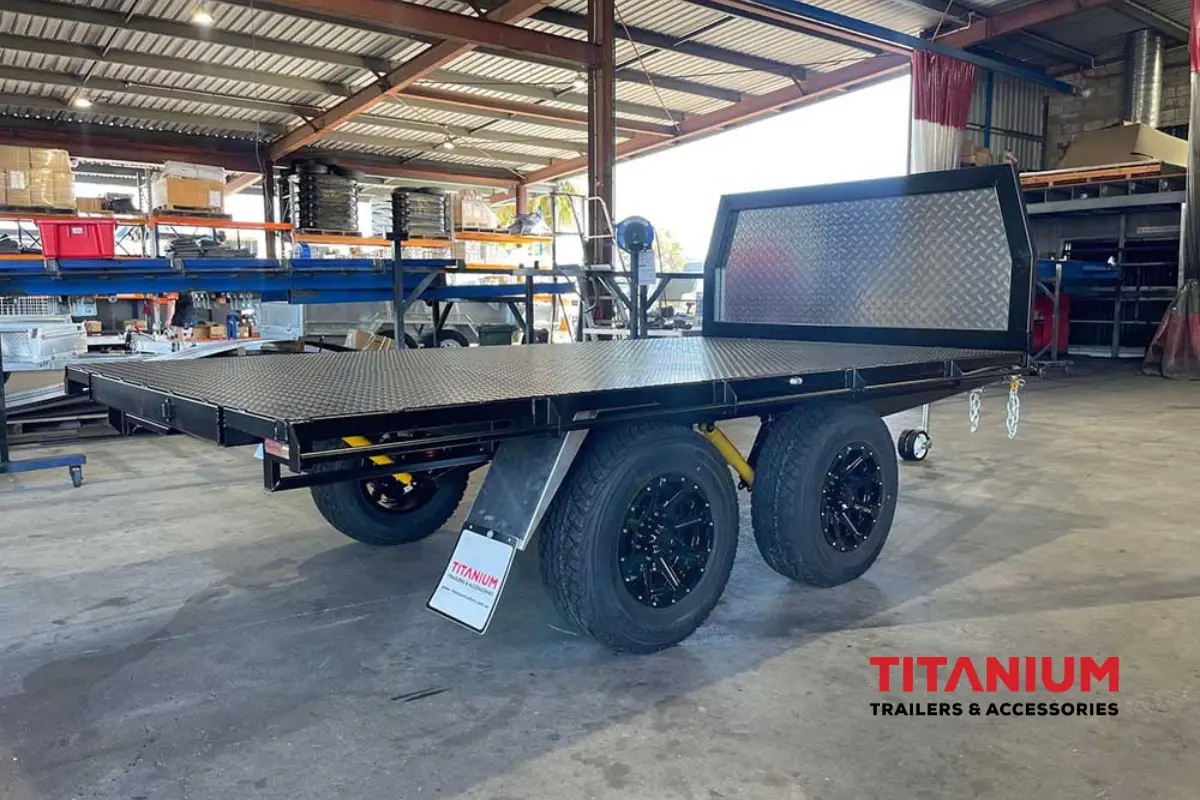
Custom flatbed trailers can be designed with specific length, width, and height specifications that address unique transport requirements while maintaining legal compliance and operational safety. These modifications ensure optimal equipment fit and efficient space utilization.
Adjustable dimensions, such as extendable decks, removable sections, or folding components, provide versatility for businesses managing various equipment types with different dimensional requirements. This flexibility reduces the need for multiple specialized trailers while maintaining transport efficiency.
Weight considerations must balance cargo capacity requirements with trailer weight limitations to optimize payload capabilities. Custom designs incorporate appropriate materials and construction methods to achieve optimal weight distribution and performance characteristics.
Custom loading aids, including hydraulic systems, integrated winches, or specialized ramp configurations, can significantly improve operational efficiency and safety for businesses managing frequent equipment transport requirements.
Automated or semi-automated loading systems reduce labor requirements, minimize handling time, and improve safety by reducing manual lifting and positioning requirements. These systems prove particularly valuable for heavy or awkward equipment handling.
Positioning aids, such as integrated guides, stops, or alignment systems, ensure consistent and secure equipment placement while reducing loading time and improving operational safety. These features prove especially valuable for repeated transport of similar equipment types.
Agricultural applications might require specialized features such as integrated power systems for equipment operation, environmental protection for sensitive components, or specific tie-down configurations for farming equipment transport.
Construction industry requirements often include reinforced decks for extremely heavy equipment, integrated lifting points for crane loading, or specialized securing systems designed for specific machinery types commonly used in construction operations.
Industrial transport applications might necessitate features such as specialized environmental protection, integrated monitoring systems, or custom deck configurations designed for specific manufacturing equipment or material types.
Successful trailer selection begins with comprehensive assessment of transport requirements, including equipment dimensions, weights, transport frequencies, and operational constraints. This analysis ensures optimal trailer specifications while avoiding over-specification and unnecessary costs.
Consider future requirements and potential business growth when specifying trailer capabilities. Slightly oversized specifications can provide operational flexibility and extend trailer usefulness as business requirements evolve over time.
Route analysis, including road restrictions, bridge clearances, and permit requirements, influences trailer specifications and operational procedures. Understanding these factors early in the selection process prevents costly modifications or operational limitations.
Standard configurations provide cost-effective solutions for basic transport requirements, while custom options address specific operational needs that standard designs cannot accommodate effectively. The decision should balance performance requirements with budget constraints and operational complexity.
Drop deck and lowboy configurations offer height advantages for tall equipment but may require specialized loading procedures and equipment. These configurations should be considered when standard flatbeds cannot accommodate equipment height requirements safely.
Specialized features, such as hydraulic systems, removable sections, or integrated equipment, provide operational advantages but increase complexity and maintenance requirements. These features should be evaluated based on their contribution to operational efficiency and safety.
Initial purchase price represents only one component of total ownership costs. Operating expenses, maintenance requirements, and expected service life should be factored into economic analysis to determine optimal value proposition.
Titanium Trailers offers flexible financing options that make professional flatbed trailers accessible for businesses of all sizes. Low deposit payment plans and competitive rates enable acquisition of appropriate equipment while preserving working capital for operational needs.
Financing considerations should include expected revenue generation, operational cost savings, and business growth potential enabled by appropriate trailer acquisition. Professional consultation can help evaluate these factors and determine optimal financing approaches.
Titanium Trailers maintains comprehensive design and engineering capabilities that enable development of custom flatbed solutions addressing specific transport requirements. Our experienced team works closely with customers to understand operational needs and develop optimal trailer specifications.
Advanced design tools and engineering analysis ensure custom trailers meet performance requirements while maintaining safety standards and regulatory compliance. Each design undergoes thorough review and validation before construction begins.
Prototyping and testing capabilities enable refinement of custom designs and validation of performance characteristics before final production. This process ensures customer satisfaction and optimal trailer performance in real-world applications.
All Titanium flatbed trailers incorporate premium materials and construction methods that ensure durability and reliability under demanding operational conditions. Quality control procedures verify construction standards and performance specifications throughout the manufacturing process.
Welding standards, material specifications, and assembly procedures meet or exceed industry standards while incorporating best practices developed through extensive manufacturing experience. These standards ensure consistent quality and long-term reliability.
Finishing processes, including surface preparation, coating application, and final assembly, incorporate proven methods that enhance appearance, durability, and corrosion resistance. These processes contribute significantly to trailer longevity and reduced maintenance requirements.
Comprehensive warranty coverage and ongoing technical support ensure customer satisfaction and optimal trailer performance throughout the service life. Our commitment extends beyond initial delivery to include operational guidance and maintenance support.
Parts availability and service support through our extensive network ensures minimal downtime and efficient maintenance operations. Genuine parts and factory-trained technicians maintain trailer performance and reliability.
Modification and upgrade services enable adaptation of existing trailers to changing operational requirements. This capability extends trailer usefulness and provides ongoing value for customers with evolving transport needs.
Regular maintenance procedures ensure optimal trailer performance, safety, and longevity while minimizing operational disruptions and repair costs. Established maintenance schedules address critical components and systems before problems develop.
Daily inspection procedures should include checks of tie-down systems, lighting, deck condition, and overall structural integrity. These inspections identify potential issues early and ensure safe operation under all conditions.
Periodic maintenance tasks, including bearing service, brake adjustments, and structural inspections, require professional attention and should be performed according to manufacturer recommendations and operational requirements.
Proper load securing techniques ensure cargo safety, prevent damage, and maintain legal compliance during transport operations. Training and procedures should address various cargo types and securing methods appropriate for different transport conditions.
Weight distribution principles must be understood and applied consistently to maintain vehicle stability and prevent structural damage. Improper weight distribution can create dangerous handling characteristics and accelerate component wear.
Tie-down calculations and procedures should consider load characteristics, transport conditions, and safety factors appropriate for valuable equipment transport. Professional guidance ensures proper procedures and regulatory compliance.
Operating procedures must address all applicable regulations, including vehicle specifications, load limits, permit requirements, and route restrictions. Compliance ensures legal operation and reduces liability exposure.
Safety procedures should address loading operations, transport protocols, and emergency procedures appropriate for oversized load transport. Personnel training and equipment maintenance contribute significantly to operational safety.
Documentation requirements, including permits, inspections, and maintenance records, must be maintained appropriately to ensure regulatory compliance and provide evidence of proper operational procedures.
Q: What makes flatbed trailers better for oversized loads than enclosed trailers? A: Flatbed trailers provide unrestricted loading access from all sides, accommodate irregular shapes and heights, and offer superior weight distribution capabilities for heavy equipment transport.
Q: Can flatbed trailers handle the same weight as enclosed trailers? A: Quality flatbed trailers often exceed the weight capacity of enclosed designs due to reinforced construction and optimized weight distribution across the deck structure.
Q: What customization options are available for specific transport needs? A: Custom options include dimensional modifications, specialized loading systems, reinforced decks, integrated tie-down systems, and industry-specific features tailored to operational requirements.
Q: How do I determine the right size flatbed trailer for my equipment? A: Consider equipment dimensions, weight, transport frequency, and future needs. Professional consultation ensures optimal specifications while avoiding over-specification and unnecessary costs.
Q: What financing options are available for flatbed trailer purchases? A: Titanium Trailers offers low deposit payment plans with competitive rates and flexible terms tailored to business needs and cash flow requirements.
Q: Are there special licensing requirements for operating flatbed trailers? A: Licensing requirements depend on trailer weight, load dimensions, and transport routes. Consult local authorities for specific requirements and permit procedures.
Q: How often should flatbed trailers undergo maintenance inspections? A: Daily pre-operation inspections plus periodic professional maintenance according to manufacturer schedules and operational demands ensure safety and optimal performance.
Q: Can existing flatbed trailers be modified for new applications? A: Many modifications are possible, including additional tie-down points, reinforcement upgrades, and accessory additions. Consult with professionals to ensure safe and effective modifications.
Q: What safety equipment is required for oversized load transport? A: Requirements vary by location and load characteristics but typically include proper lighting, marking, securing equipment, and potentially escort vehicles for extremely large loads.
Q: How do I properly secure different types of equipment on flatbed trailers? A: Securing methods depend on equipment type, weight distribution, and transport conditions. Professional training and appropriate equipment ensure safe and compliant cargo securing practices.
Australian Government Department of Infrastructure, Transport, Regional Development and Communications – Heavy Vehicle National Law and Regulations: https://www.infrastructure.gov.au/infrastructure-transport-vehicles/vehicles/heavy-vehicle-national-law
National Heavy Vehicle Regulator – Oversize and Overmass Guidelines: https://www.nhvr.gov.au/road-access/oversize-and-overmass
Queensland Department of Transport and Main Roads – Heavy Vehicle Operations: https://www.tmr.qld.gov.au/business-industry/Heavy-vehicles
Australian Trucking Association – Load Restraint Guidelines: https://www.truck.net.au/industry-resources
Austroads – Vehicle Operation Guidelines: https://austroads.com.au/publications/freight/vehicle-operations
Don’t let oversized load transport challenges limit your operational capabilities. Titanium Trailers’ expert team is ready to design the perfect flatbed solution for your specific requirements. Whether you need a standard configuration or custom features, our comprehensive range of options and flexible financing makes professional equipment transport accessible and affordable.
Contact our experienced team at one of our Queensland showrooms or request a custom quote online to discover how the right flatbed trailer can transform your oversized load transport operations.
Quick answer: The best trailer for landscaping depends on your main load. A tipper trailer is the top all-round choice for bulk mulch, soil, sand,
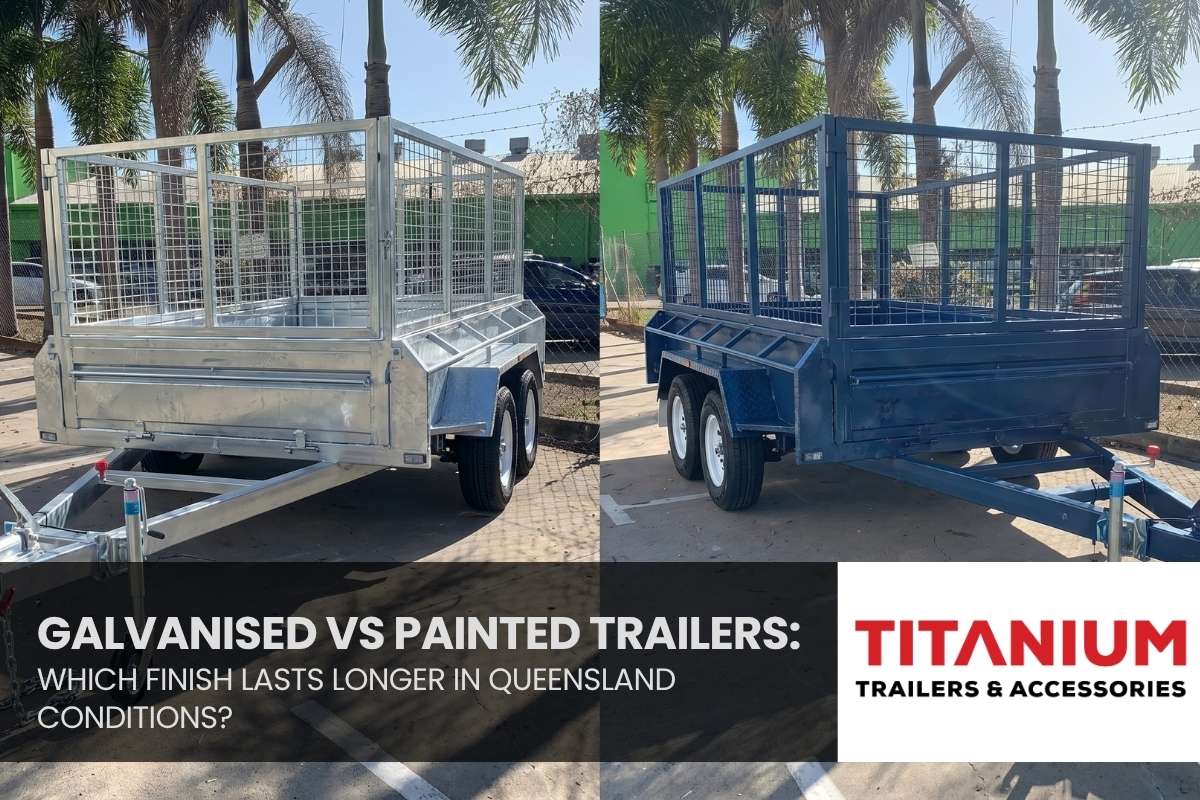
In Queensland conditions, a hot-dip galvanised trailer lasts significantly longer than a painted one. Galvanising bonds a sacrificial zinc layer to the steel that keeps