
Choosing between a box trailer and an enclosed trailer comes down to understanding your cargo type, protection needs, loading requirements, and budget. This guide breaks down the key differences between open box trailers and fully enclosed options, helping you invest wisely based on your actual hauling demands. You’ll learn when each trailer type excels, how Queensland conditions influence your choice, and how to match your purchase to your specific transport needs.
Box trailers feature an open-top design with solid sides and a floor, making them the most versatile option for general hauling. Their straightforward construction keeps costs manageable while providing practical functionality for diverse tasks. From weekend DIY projects to regular trade use, box trailers handle varied loads with minimal fuss.
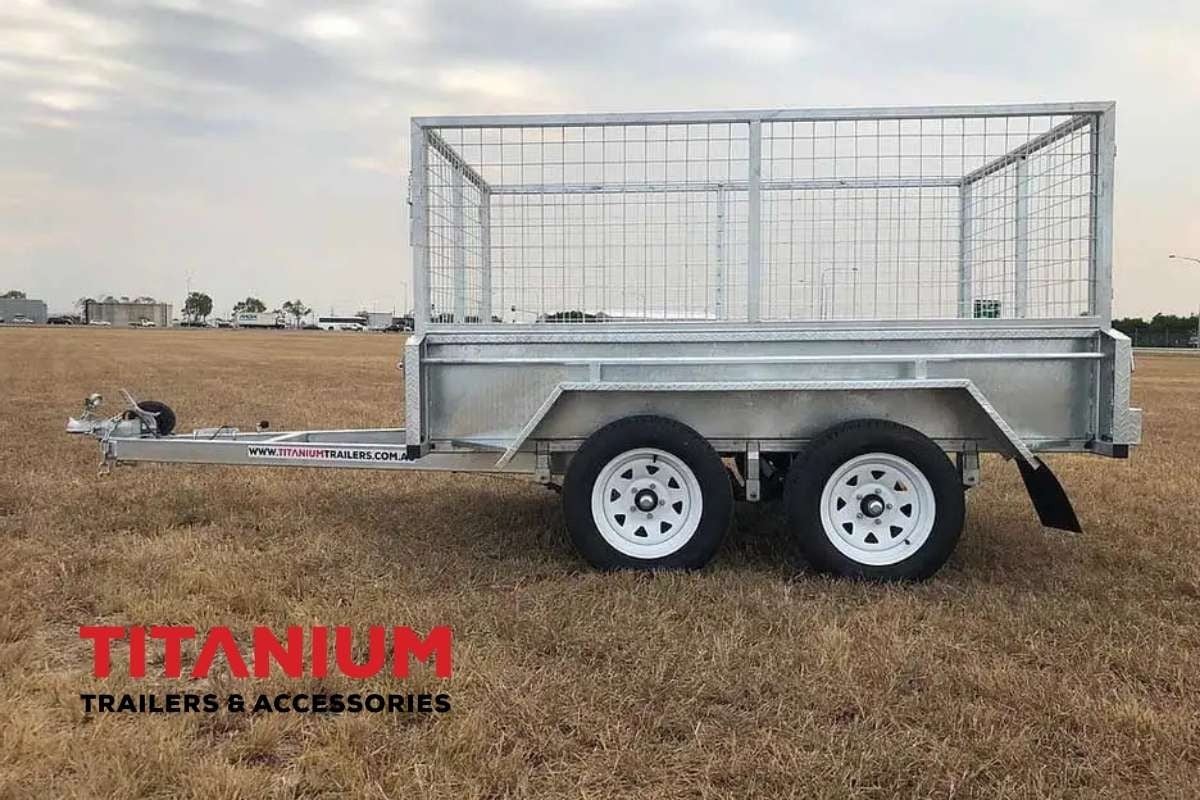
The open design allows overhead loading using cranes or forklifts, which proves essential when handling heavy items like timber, building materials, or large appliances. Most box trailers accept accessories such as cage extensions, covers, and tie-down points, expanding their usefulness beyond basic transport. For detailed guidance on maximising your trailer’s potential, our guide to box trailer uses and benefits covers everything you need to know.
Maintenance requirements remain relatively simple. Regular cleaning, checking tie-down points, and inspecting the chassis keeps them in working order for years. Our box trailer maintenance guide provides step-by-step instructions for keeping your trailer in top condition.
Box trailers excel when transporting bulky, irregularly shaped, or oversized items that benefit from overhead access. Landscaping materials such as mulch, soil, and green waste load quickly and tip out easily. Building materials including timber, metal sheets, and scaffolding fit without the height restrictions of an enclosed space.
Trade professionals frequently choose box trailers for their flexibility. Plumbers, electricians, and builders appreciate loading equipment of varying sizes without navigating doorways or ramps. When selecting a trailer for heavy-duty work, understanding how to choose the right trailer for heavy loads ensures you pick appropriate specifications.
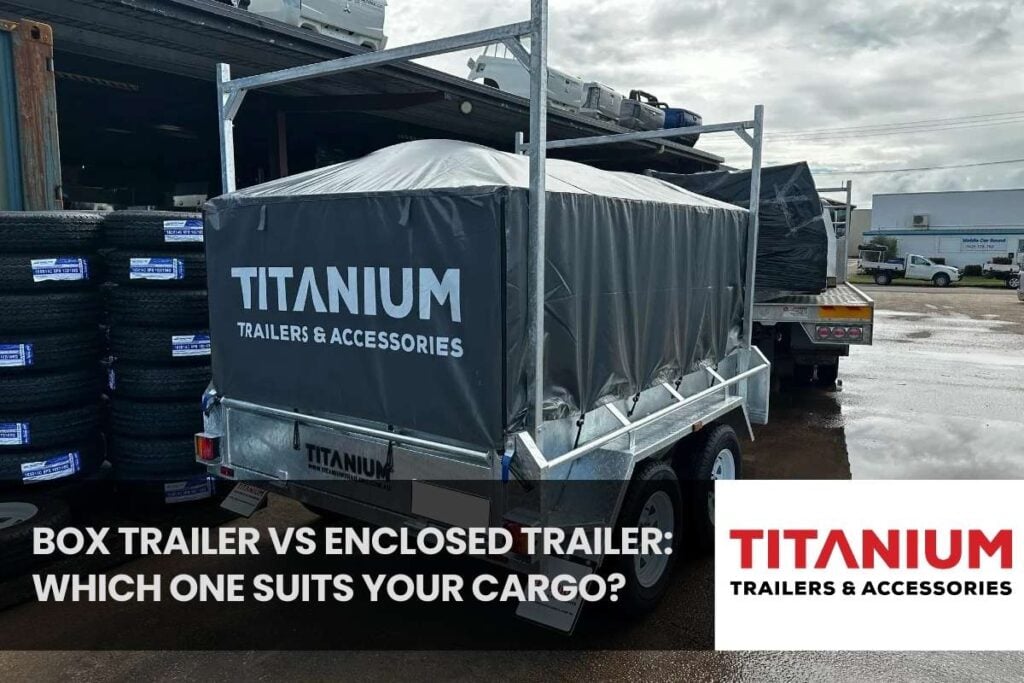
Enclosed trailers provide a fully covered cargo area with walls, roof, and typically a rear door or ramp access. This design creates a weatherproof, secure environment for transporting goods requiring protection from elements or theft. The enclosed structure also allows interior customisation including shelving, lighting, and ventilation systems.
For Queensland users, the enclosed design protects cargo from tropical downpours, intense sun exposure, and coastal salt spray. Sensitive equipment, electronics, furniture, and finished products arrive at their destination in the same condition they left. Businesses transporting tools, inventory, or customer goods benefit significantly from this protection. Those interested in combining travel and work capabilities should explore enclosed trailers for travel and work applications.
Security represents another major advantage. Lockable doors deter opportunistic theft during stops or overnight parking. This feature matters considerably for tradies carrying expensive power tools or businesses moving valuable inventory.
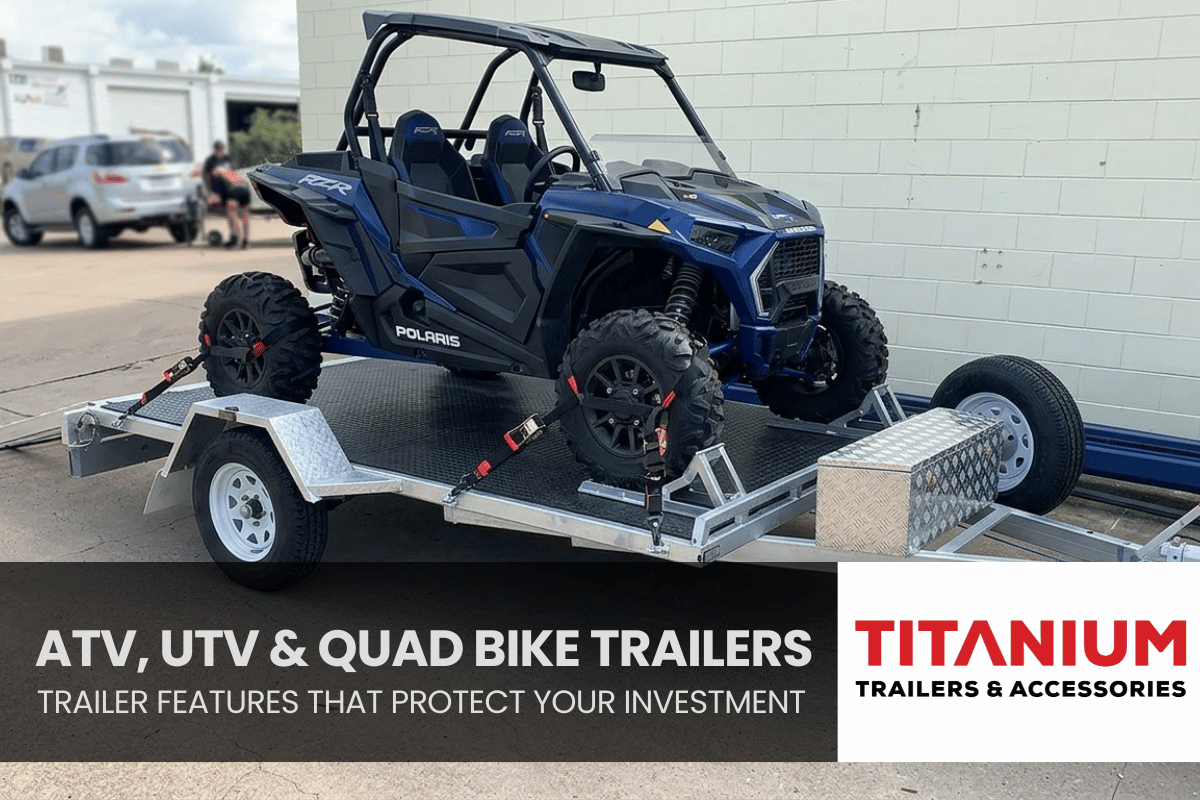
Enclosed trailers prove ideal for cargo requiring climate or environmental protection. Motorcycles, ATVs, and recreational vehicles stay sheltered from road debris and weather during transport. Event equipment, catering supplies, and exhibition materials arrive presentation-ready without dust or moisture damage.
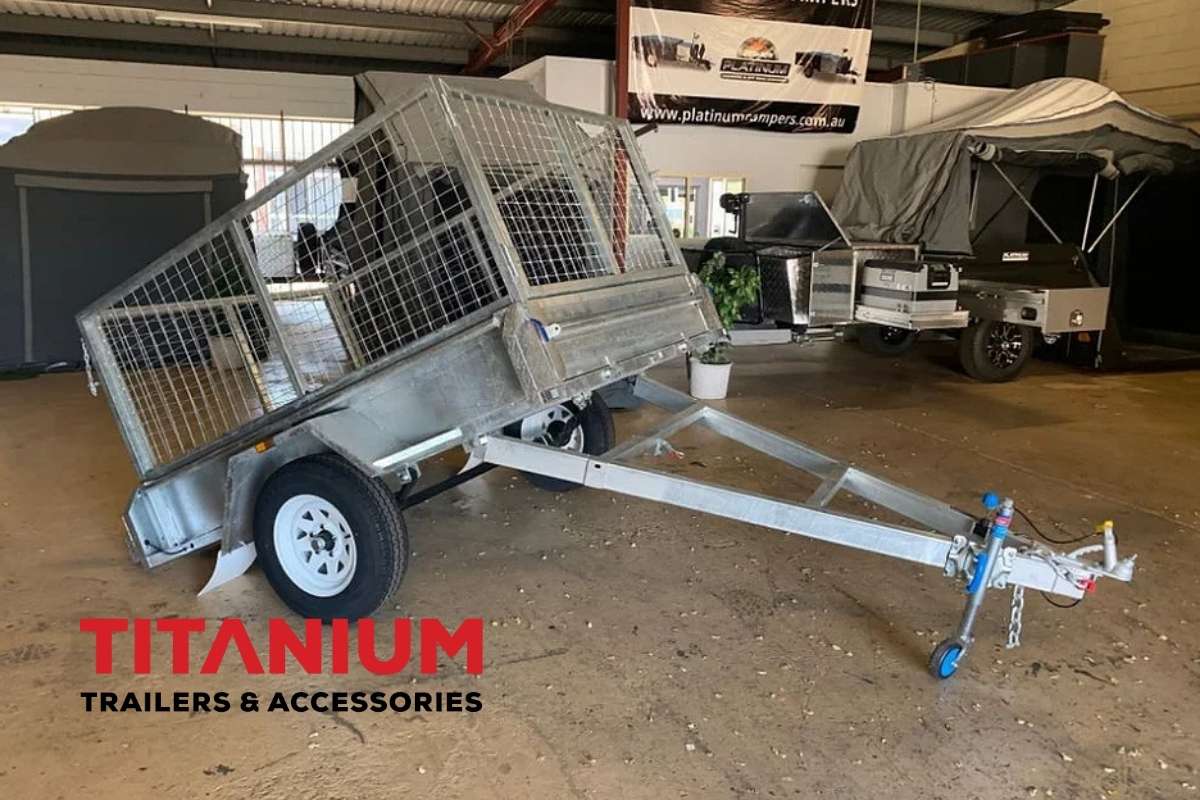
Mobile workshops, tool storage, and product delivery operations benefit from the organised interior space. Shelving and compartments keep items secure during transit while maintaining accessibility. Businesses offering on-site services often configure enclosed trailers as mobile work stations.
| Factor | Box Trailer | Enclosed Trailer |
| Weather Protection | Requires covers or tarps; cargo exposed to rain, sun, and dust | Full protection from all weather conditions |
| Security | Limited; relies on straps and external locks | Excellent; lockable doors protect contents |
| Loading Access | Top and sides accessible; overhead loading possible | Rear door or ramp access; limited by interior height |
| Initial Cost | Lower purchase price | Higher purchase price due to construction |
| Towing Weight | Lighter unladen weight; higher payload capacity | Heavier structure reduces payload capacity |
| Fuel Efficiency | Better when empty; wind resistance varies with load | More consistent; enclosed shape improves aerodynamics |
| Versatility | Highly adaptable for varied cargo types | Best suited for specific, protected loads |
| Storage When Not in Use | Open to elements unless covered | Protected interior even when parked |
Understanding towing efficiency matters for frequent haulers. Our article on improving fuel efficiency when towing offers practical tips regardless of which trailer type you choose.
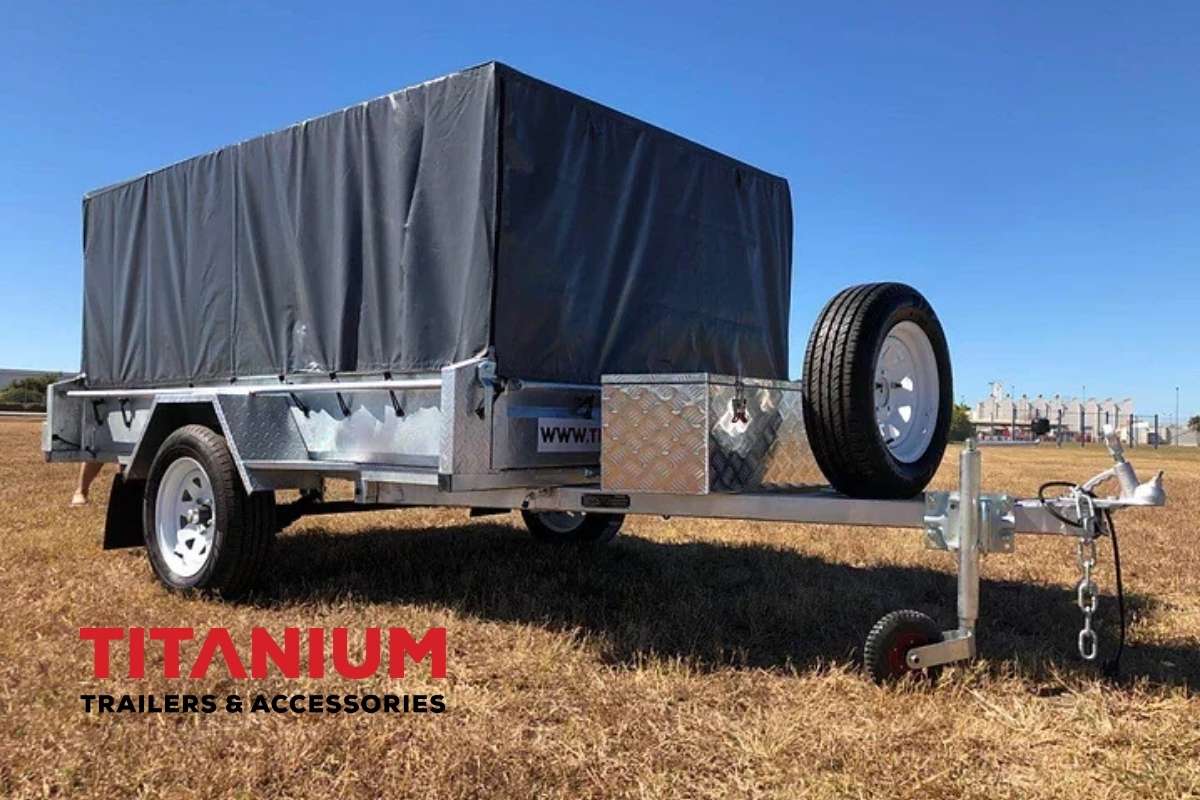
Assess what you’ll haul most frequently. Durable goods like construction materials, garden waste, and outdoor equipment handle open-air transport well. Fragile, valuable, or weather-sensitive items demand the protection an enclosed trailer provides. If your cargo varies significantly, consider whether accessories like cage covers can extend a box trailer’s capabilities or if an enclosed trailer’s consistent protection justifies the investment.
Think about how you’ll load cargo. Items requiring crane or forklift loading suit box trailers. Wheeled equipment, palletised goods, or items benefiting from ramp access work better with enclosed trailers. Frequency matters too; daily loading and unloading benefits from whichever design streamlines your workflow.
Box trailers cost less initially and often have lower maintenance expenses. Enclosed trailers represent a larger investment but may reduce cargo damage costs and theft risk over time. Calculate total cost of ownership including potential cargo losses, insurance considerations, and resale value. Titanium Trailers offers flexible finance options to help manage either investment.
If you regularly leave your trailer unattended with valuable contents, enclosed trailers provide superior protection. For loads collected and delivered within controlled environments, a box trailer’s accessibility may outweigh security concerns. Additional security measures like wheel locks and coupling locks add protection to either type; our guide on how to lock your trailer covers effective options.
Far North Queensland’s wet season delivers intense rainfall that can damage unprotected cargo within minutes. Coastal areas expose trailers to salt-laden air accelerating corrosion. The intense UV exposure degrades certain materials over time. Consider how often you’ll transport weather-sensitive goods and whether temporary covers adequately protect your typical cargo.
Both trailer types benefit from customisation matching specific hauling needs. Box trailers accept accessories including removable cages for increased capacity, heavy-duty tarps for weather protection, and additional tie-down points for securing awkward loads. Toolboxes mounted to the drawbar keep essentials organised and accessible. For toolbox options, see our range of toolboxes for trailers.
Enclosed trailers allow interior fit-outs including shelving systems, workbenches, lighting, and ventilation. Side doors, roof vents, and windows expand functionality for specific applications. Custom dimensions accommodate particular cargo sizes or towing vehicle limitations.
Titanium Trailers builds custom trailers tailored to unique requirements. Whether you need a hybrid design combining open and enclosed sections or specific features for your industry, a custom quote ensures you get exactly what you need. Visit our custom trailer quote page to discuss your requirements.
The right trailer depends on your specific circumstances rather than one option being universally superior. Ask yourself: What cargo will I transport most often? How critical is weather protection for my typical loads? Do security concerns warrant the additional cost of enclosed construction? Will I benefit from overhead loading access?
Many Queensland businesses and individuals own both types, using each where its strengths apply. A box trailer handles landscaping materials and bulky equipment while an enclosed trailer protects tools and finished products. If budget allows only one trailer, choose based on your most frequent and valuable hauling needs.
For guidance specific to your situation, visiting a Titanium Trailers showroom allows you to see both types in person, discuss your requirements with experienced staff, and explore the full range of options. View our showroom locations including our Cairns branch serving Far North Queensland.
Which trailer type costs less to maintain? Box trailers generally have lower maintenance costs due to their simpler construction. Enclosed trailers require additional attention to seals, hinges, and locks. Both types need regular chassis inspections, wheel bearing checks, and rust prevention, particularly in coastal Queensland areas.
Can I add a cover to a box trailer for weather protection? Yes, box trailers accept various covers including flat tarps, cage covers, and removable canopy frames. While these don’t match enclosed trailer protection levels, quality covers significantly reduce weather exposure for most cargo types.
Are enclosed trailers harder to reverse and manoeuvre? Enclosed trailers may feel different initially due to restricted rear visibility. Using mirrors, reversing cameras, or a spotter helps. Once familiar with the dimensions, most drivers handle enclosed trailers as confidently as open ones.
What size trailer do I need for my cargo? Measure your typical largest load including length, width, and height. Add clearance for strapping and access. Consider weight as well as dimensions; exceeding load ratings risks safety and legal issues. Our hauling capacity guide helps calculate your requirements.
Do enclosed trailers improve fuel economy when towing? Enclosed trailers offer better aerodynamics than box trailers loaded with irregular cargo. However, their heavier unladen weight offsets some efficiency gains. Net fuel economy depends on load type, speed, and driving conditions.
Can I use a box trailer for moving house? Box trailers work well for household moves involving durable items. Furniture, appliances, and boxes transport easily. For weather protection during unpredictable Queensland conditions, use quality covers or schedule moves during favourable weather.
What braking system should I choose? Trailers over 750kg ATM require brakes in Australia. Electric brakes offer precise control and work well for frequent towing. Override mechanical brakes suit occasional use. Our guide to electric brakes on trailers explains the benefits and setup requirements.
How long do quality trailers last? Well-maintained trailers from reputable manufacturers last 15-25 years or more. Hot-dipped galvanised frames resist corrosion significantly better than painted steel, particularly important in Queensland’s humid and coastal conditions.
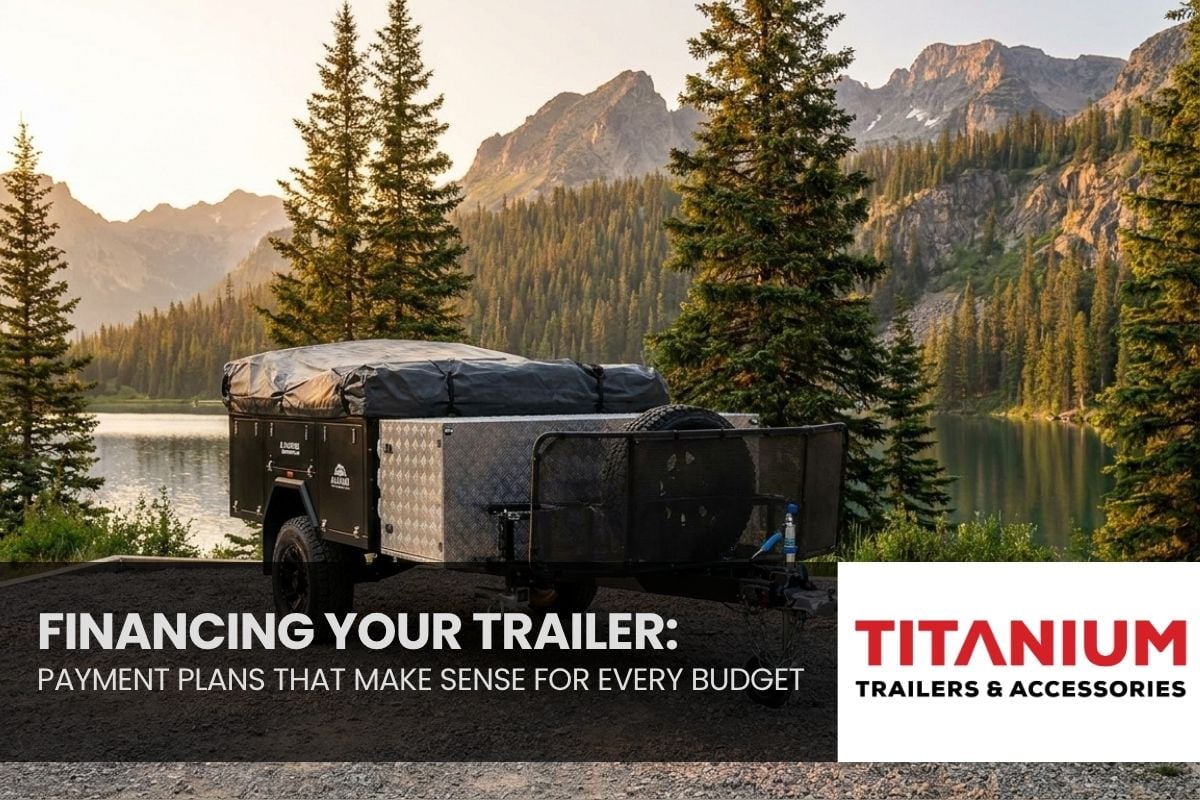
Does Titanium Trailers offer finance for both trailer types? Yes, Titanium Trailers provides flexible finance options for box trailers, enclosed trailers, and custom builds. Low deposit payment plans with competitive rates make quality trailers accessible. Apply through our finance application page.
Can I get a custom trailer combining open and enclosed sections? Absolutely. Custom trailer builds accommodate hybrid designs, specific dimensions, and unique features. Request a custom quote to discuss configurations matching your exact requirements.
Whether you need a versatile box trailer or a secure enclosed trailer, Titanium Trailers offers quality options with customisation to match your specific requirements. Visit our box trailer range or contact our team to discuss your hauling needs and explore finance options.
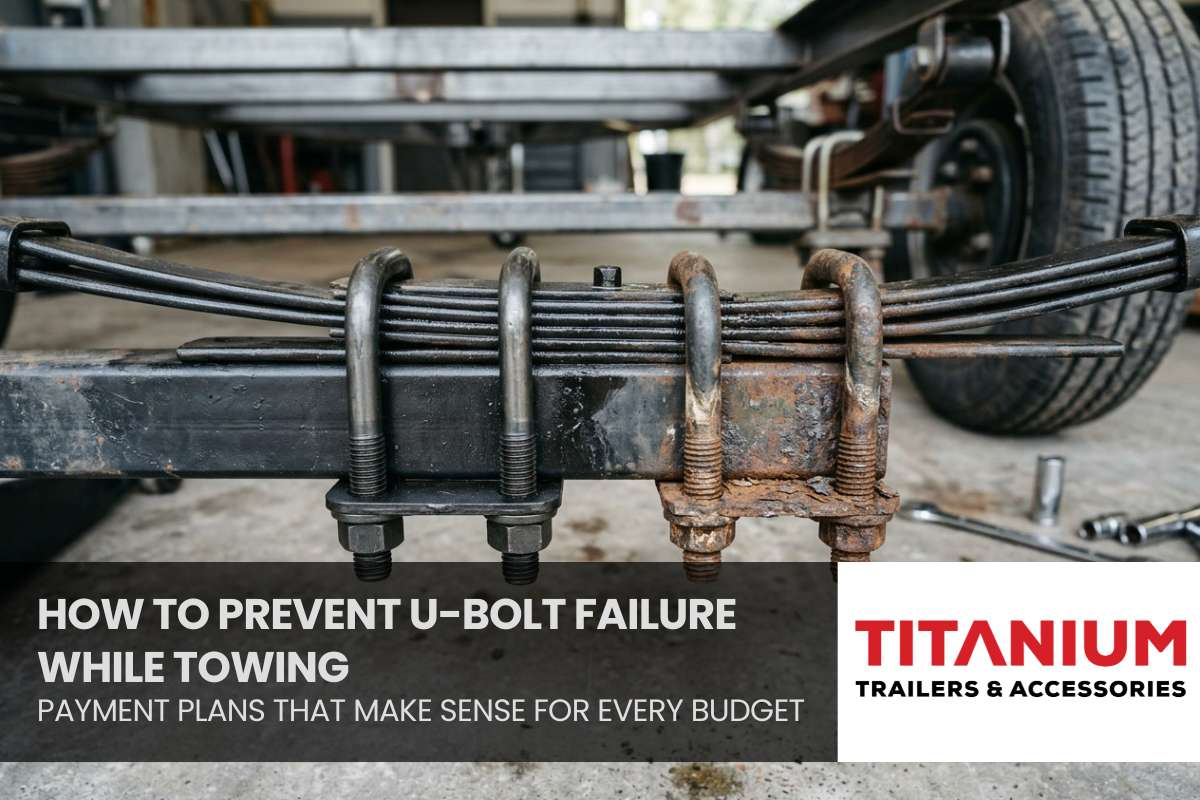
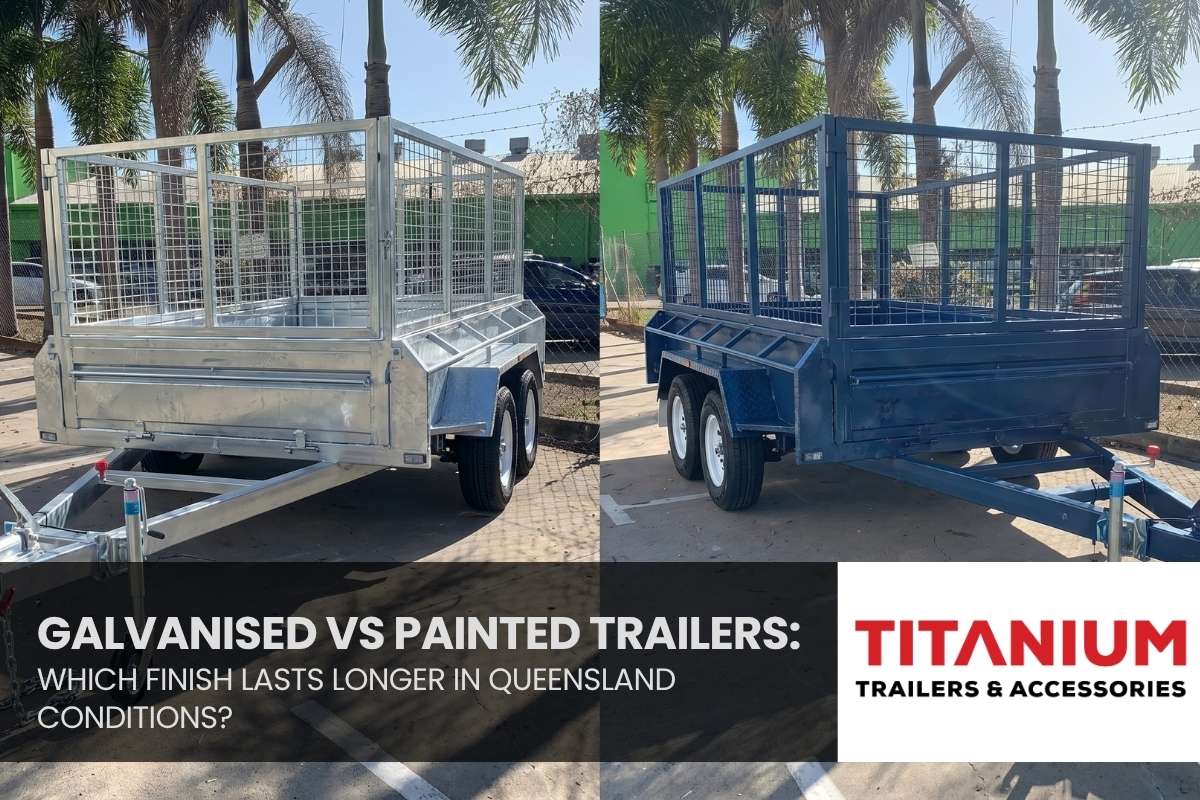
In Queensland conditions, a hot-dip galvanised trailer lasts significantly longer than a painted one. Galvanising bonds a sacrificial zinc layer to the steel that keeps
U-bolt failure is one of the most preventable causes of trailer suspension breakdown on the road. The fix is simple: inspect your U-bolts before every