
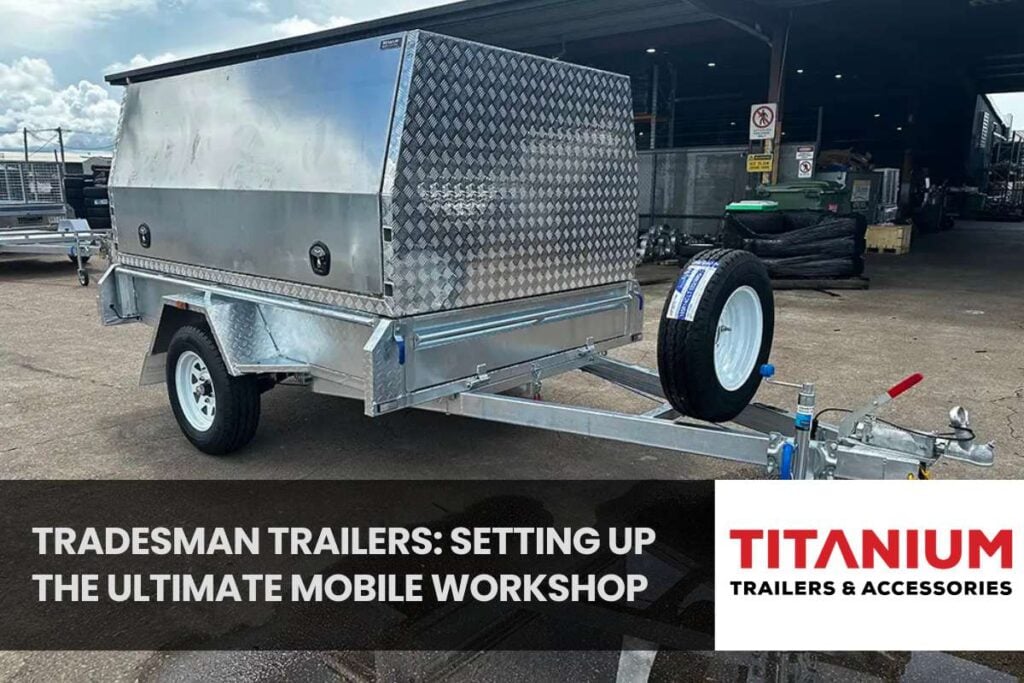
A well-designed tradesman trailer transforms how Australian tradies operate on the job. Instead of cramming tools into a ute tray or making multiple trips to collect equipment, a purpose-built mobile workshop brings everything to the worksite in one organised, secure unit. Whether you’re an electrician, plumber, carpenter, or general contractor, the right tradesman trailer setup eliminates wasted time searching for tools and keeps your equipment protected from Queensland’s harsh weather conditions.
This guide covers everything you need to know about setting up a tradesman trailer as a fully functional mobile workshop, from choosing the right base trailer to selecting storage systems and customisation options that match your trade.
This article explains why tradesman trailers work as mobile workshops, the essential features to prioritise, storage and organisation strategies, power and lighting considerations, security measures, and how to customise your setup for specific trades. You’ll also find practical tips for maintaining your mobile workshop and answers to common questions about tradesman trailer configurations.
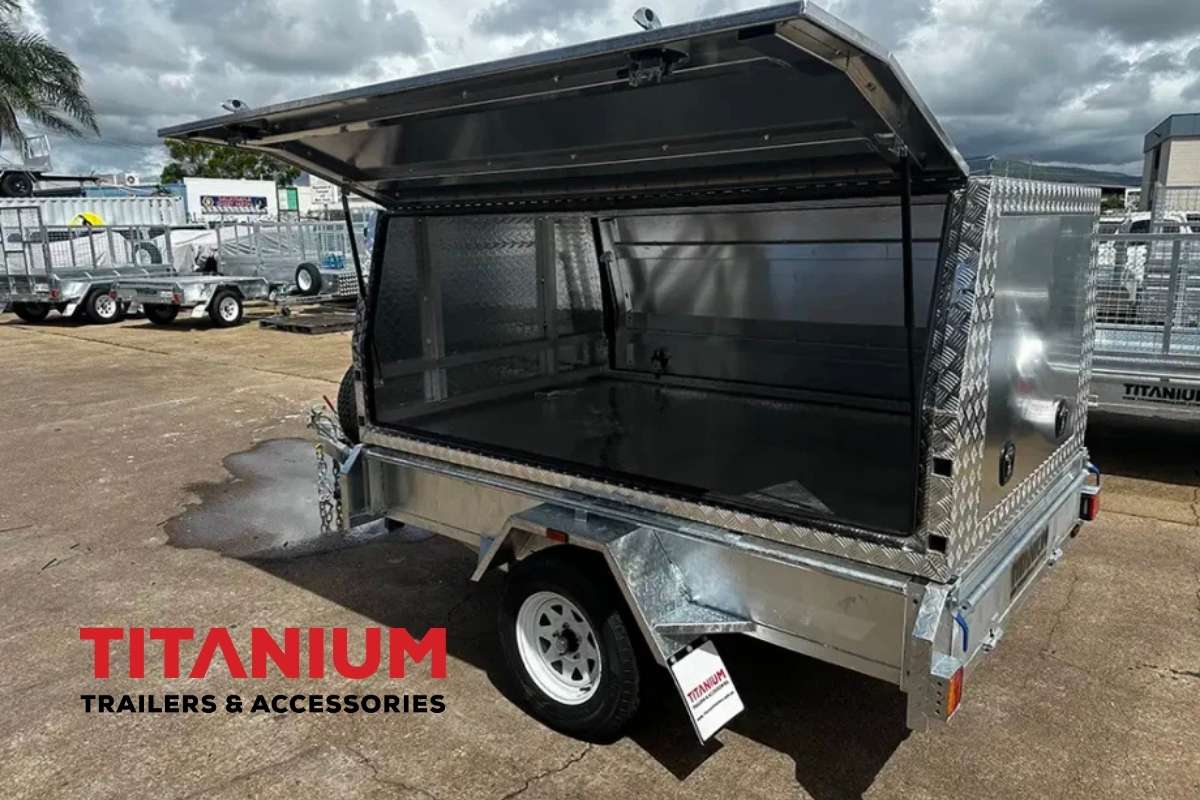
Most tradies start their careers hauling tools in ute trays or tubs, but this approach has significant drawbacks. Open trays expose equipment to rain, dust, and UV damage. Tools shift during transit, causing damage and disorganisation. Theft remains a constant concern, especially when parking on job sites overnight.
Even with a quality canopy installed, ute storage space remains limited. Tradies working across multiple disciplines or handling larger equipment quickly outgrow what a ute can accommodate. The height restrictions also make it difficult to store longer materials like conduit, timber, or pipe lengths.
A dedicated tradesman trailer solves these problems while adding capabilities a ute simply cannot provide. The enclosed design creates a weatherproof environment for tools and materials. Walk-in access means you’re not hunched over reaching into a tray. Purpose-built shelving and drawer systems keep everything organised and accessible.
The additional space allows you to carry a complete inventory for any job, reducing return trips to the warehouse. Some tradies even set up small workbenches inside their trailers, creating genuine mobile workshops where they can perform tasks like cutting, assembly, or testing before installation.
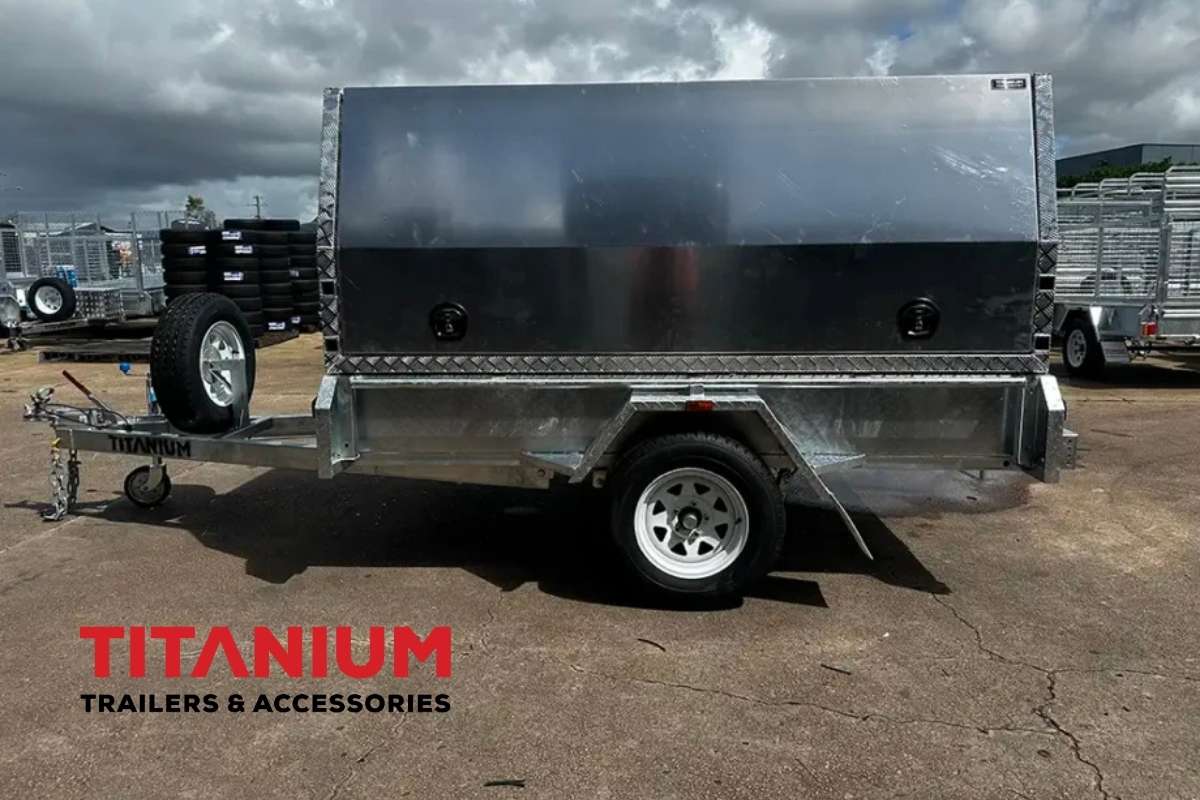
Choosing the right trailer size depends on your trade and typical job requirements. Single-axle tradesman trailers suit tradies who need moderate storage without a large towing footprint. Dual-axle configurations provide greater stability and higher payload capacity for those carrying heavier equipment. Understanding the differences between single and dual-axle setups helps you make the right choice.
Interior height matters significantly for a mobile workshop. Standard trailers may force you to crouch when accessing lower shelves. Taller configurations allow comfortable standing access and accommodate vertical storage for longer items.
Effective storage transforms a tradesman trailer from a box on wheels into a functional workspace. Adjustable shelving systems let you reconfigure the interior as your needs change. Heavy-duty drawer units provide secure storage for smaller items like fasteners, fittings, and hand tools.
Consider the weight distribution when planning your layout. Heavier items should sit low and centred over the axle. Frequently accessed tools belong near the door for quick retrieval. Rarely used equipment can occupy harder-to-reach positions.
Quality toolboxes designed for trailers provide another layer of organisation. Side-opening boxes mounted on the exterior create additional storage without consuming interior floor space.
A fold-down or fixed workbench turns your trailer into a genuine workshop. Position it near the door for natural light and ventilation. Ensure the height suits standing work and that the surface can handle the tasks you’ll perform, whether that’s cutting, soldering, or assembly work.
Some tradies install vices, grinders, or other fixed equipment on their workbenches. If you’re planning this, reinforce the mounting area and consider the weight impact on your trailer’s balance.
A functional mobile workshop needs reliable power. The simplest approach involves a deep-cycle battery system that charges while towing and provides 12V power for lighting and charging devices. More comprehensive setups include inverters that supply 240V power for tools.
For tradies who regularly need mains power on-site, consider wiring your trailer to accept shore power connections. This lets you plug into site power when available while maintaining battery backup for remote locations.
Good lighting makes all the difference when working inside an enclosed trailer. LED strip lighting along the ceiling provides even illumination without hot spots. Task lighting above the workbench ensures precision work remains accurate.
Motion-activated lights at the door entrance prove particularly useful, switching on automatically when you open up and preserving battery life when the trailer sits closed.
Tools represent a significant investment, making security essential for any tradesman trailer setup. Start with quality door locks, preferably commercial-grade options that resist picking and drilling. Reinforce door hinges to prevent removal from the outside.
A coupling lock prevents thieves from simply hitching your trailer and driving away. These locks fit over the coupling when disconnected from your tow vehicle, making the trailer impossible to tow without the key. Combined with wheel clamps for extended parking, you create multiple barriers against theft.
Learning proper trailer locking techniques significantly reduces your risk of becoming a theft victim.
Electronic security adds another protection layer. Basic door alarms alert you to unauthorised access. GPS tracking systems help recover stolen trailers and provide peace of mind when parking on unfamiliar sites.
Some tradies install cameras that record when motion is detected, providing evidence if theft does occur.

Consider adding a testing station with permanent multimeter mounting and organised cable connections for equipment verification before installation.
Plumbing tradesman trailers need pipe storage solutions that accommodate various diameters and lengths. Soldering stations require ventilation considerations and heat-resistant surfaces. Parts organisation systems for fittings, valves, and fixtures prevent time-wasting searches.
Water-resistant flooring and drainage points help manage the inevitable spills and wet equipment that come with plumbing work.
Timber and building trades require longer storage configurations for materials. Dedicated saw stations with dust collection keep the workspace clean. Hardware organisation for fasteners, brackets, and fixings maintains efficiency.
Consider floor-mounted tool holders for items like nail guns, circular saws, and drills that need quick access during active jobs.
No two trades have identical requirements, which is why custom trailer builds offer significant advantages over off-the-shelf options. Working with a manufacturer to design your interior layout ensures every component serves your specific workflow.
Custom builds let you specify door configurations, interior dimensions, mounting points, and finish materials. The result is a mobile workshop that functions exactly as you need rather than forcing you to adapt to a generic design.
Like any work equipment, tradesman trailers require ongoing maintenance to perform reliably. Check wheel bearings, brakes, and tyres before extended trips. Inspect door seals for wear that could allow water ingress. Verify that all storage systems remain securely mounted after regular use over rough terrain.
If your trailer includes electric brakes, test their function regularly and adjust as components wear.
A mobile workshop only functions efficiently when organisation is maintained. Schedule regular clean-outs to remove accumulated debris, broken tools, and outdated supplies. Reorganise storage periodically as your work patterns change.
Keeping an inventory list helps you track what’s on board and identify when supplies need replenishment.

Your tow vehicle must handle the combined weight of the trailer and its contents. Check your vehicle’s towing capacity and ensure it exceeds your loaded trailer weight by a reasonable margin. Proper towing setup protects both your vehicle and your investment.
For heavier setups, consider fuel efficiency strategies when towing to manage operating costs.
Quality coupling and hitch systems ensure safe towing. Match your hitch rating to your trailer weight and verify compatibility before hitting the road. Proper connection procedures, including safety chain attachment and brake controller setup, protect you and other road users.
Setting up a complete tradesman trailer represents a significant investment, but flexible finance options make it accessible for most tradies. Low-deposit payment plans let you start benefiting from your mobile workshop immediately while spreading the cost over manageable instalments.
Consider the return on investment when evaluating costs. A well-organised mobile workshop reduces time wasted searching for tools, minimises equipment damage, and allows you to take on larger jobs. These efficiency gains often offset financing costs within the first year of operation.
What size tradesman trailer do I need for a mobile workshop? The ideal size depends on your trade and equipment requirements. Most tradies find 8×5 or 10×6 configurations provide adequate space for a functional workshop setup, though larger builds suit those carrying extensive inventories.
Can I convert an existing box trailer into a tradesman setup? Yes, standard box trailers can be fitted with shelving, workbenches, and storage systems. However, purpose-built tradesman trailers offer better interior height, door configurations, and structural mounting points.
How much weight can a tradesman trailer carry? Payload capacity varies by trailer specification. Single-axle models typically handle 750-1000kg, while dual-axle configurations can exceed 2000kg. Always verify your specific trailer’s rating before loading.
What’s the best flooring for a tradesman trailer workshop? Chequer plate or heavy-duty rubber matting provides durability, slip resistance, and easy cleaning. Avoid plywood floors in wet trades as they deteriorate quickly.
Do I need electric brakes on my tradesman trailer? Australian regulations require brakes on trailers exceeding 750kg GTM. Electric brakes provide superior control and are recommended for loaded tradesman trailers regardless of legal requirements.
How do I prevent condensation inside an enclosed trailer? Ventilation panels or vents near the roof allow moisture to escape. Keeping wet equipment outside until dry and using desiccant packs in enclosed storage areas also helps.
Can I install a generator inside my tradesman trailer? Generators require outdoor operation due to exhaust fumes. External mounting brackets or tow-out platforms allow generator use while keeping the unit protected during transit.
What security features should I prioritise? Quality door locks and coupling locks provide essential protection. Add wheel clamps for extended parking and consider GPS tracking for high-value setups.
How do I organise small parts efficiently? Compartmentalised drawer systems and labelled bins keep fasteners, fittings, and components organised. Clear containers allow quick visual identification without opening each storage unit.
Where can I get a custom tradesman trailer built in Queensland? Titanium Trailers offers custom trailer builds designed to your specifications, with showrooms in Townsville, Rockhampton, Cairns, and Brisbane.
Ready to build your ultimate mobile workshop? Request a custom tradesman trailer quote from Titanium Trailers and start designing a setup that matches your exact trade requirements.
U-bolt failure is one of the most preventable causes of trailer suspension breakdown on the road. The fix is simple: inspect your U-bolts before every
Buying a trailer is one of the smartest investments you can make for your trade, farm, or lifestyle, but the upfront cost can be a